November 26, 2026
Healthy, well-shaped trees elevate curb appeal, boost property value, and provide cooling shade throughout warm seasons. Yet many homeowners confuse aesthetic shaping with essential structural care, leading to improper cuts that weaken limbs or ruin natural silhouettes. Understanding the difference between ornamental pruning and routine tree trimming ensures your yard receives the exact care required for lasting beauty and vigor.
While both practices involve removing branches with specialized saws and shears, each serves a distinct purpose in landscape management. Ornamental work focuses on fine artistry, compact form, and bloom production on smaller decorative specimens. Routine maintenance prioritizes clearance, deadwood removal, and canopy safety across larger shade trees.
Knowing when to request detailed sculpting versus general structural upkeep saves money and protects plant biology. Many residential yards contain both delicate focal-point specimens and towering shade canopies, meaning each zone calls for a tailored cutting strategy. Exploring how these approaches function helps homeowners partner effectively with qualified arborists so every tree on the property flourishes.
Defining The Purpose Of Ornamental Pruning
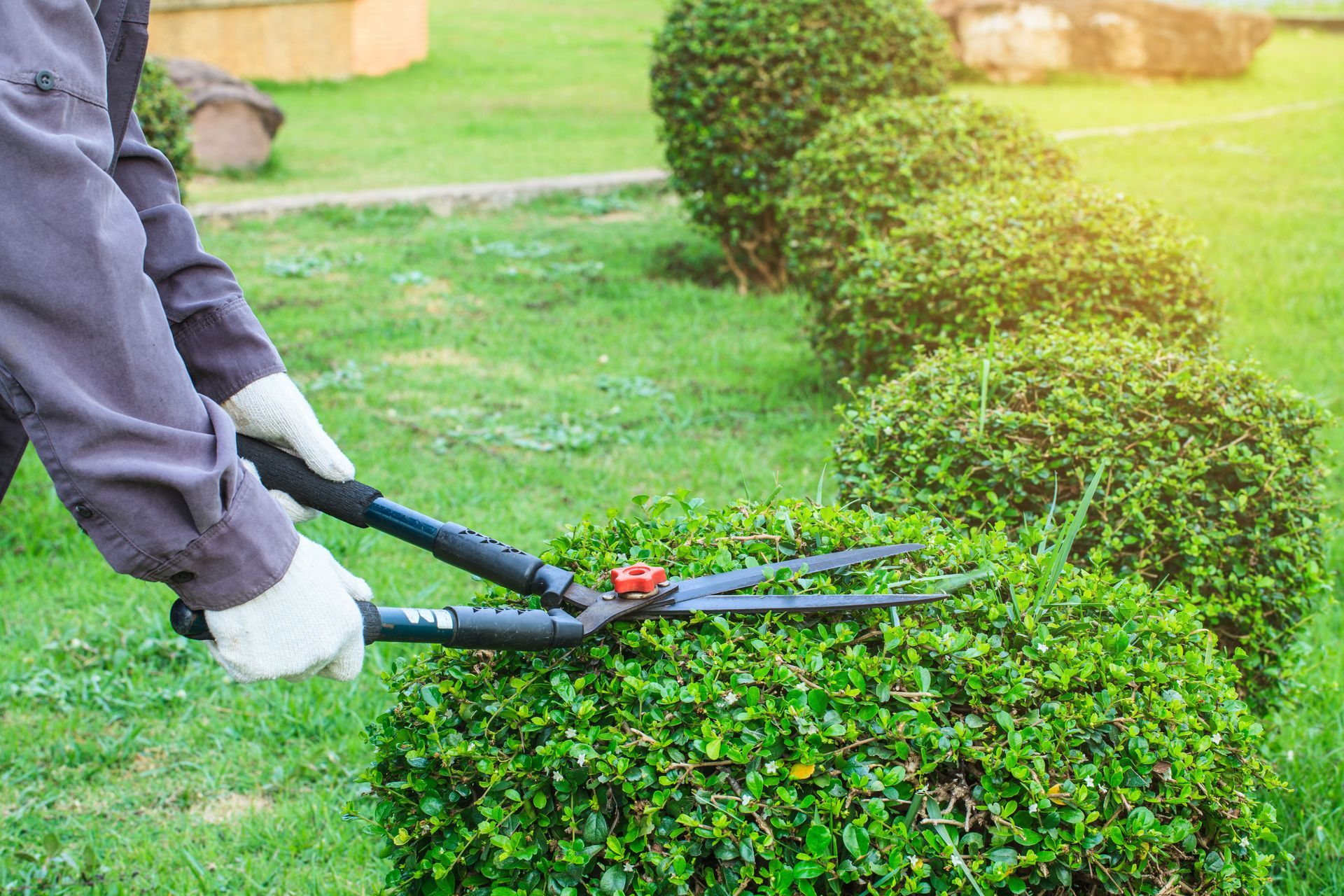
Ornamental pruning treats compact landscape specimens as living sculptures that enhance architectural features, entryways, and garden borders. Arborists use precise hand cuts to control mature height, refine outer silhouettes, and encourage dense, healthy foliage. Rather than simply hacking back overgrown tips, skilled specialists selectively thin interior shoots so sunlight reaches inner buds evenly.
This meticulous approach works wonders on decorative varieties such as Japanese maples, dogwoods, crabapples, and flowering magnolias. Thoughtful shaping highlights graceful branching habits, textured bark, and vibrant seasonal blossoms without sacrificing natural character. Regular attention keeps smaller accent trees proportionate to nearby walkways, patios, and windows.
When performed correctly, ornamental shaping also improves air circulation within tight, layered canopies. Better airflow reduces humidity trapped around delicate leaves, lowering the risk of powdery mildew, leaf spot, and fungal blight during damp weather. Clean interior spacing reveals the artistic structure of trunks and primary limbs even during bare winter months.
Understanding The Goals Of Routine Tree Trimming
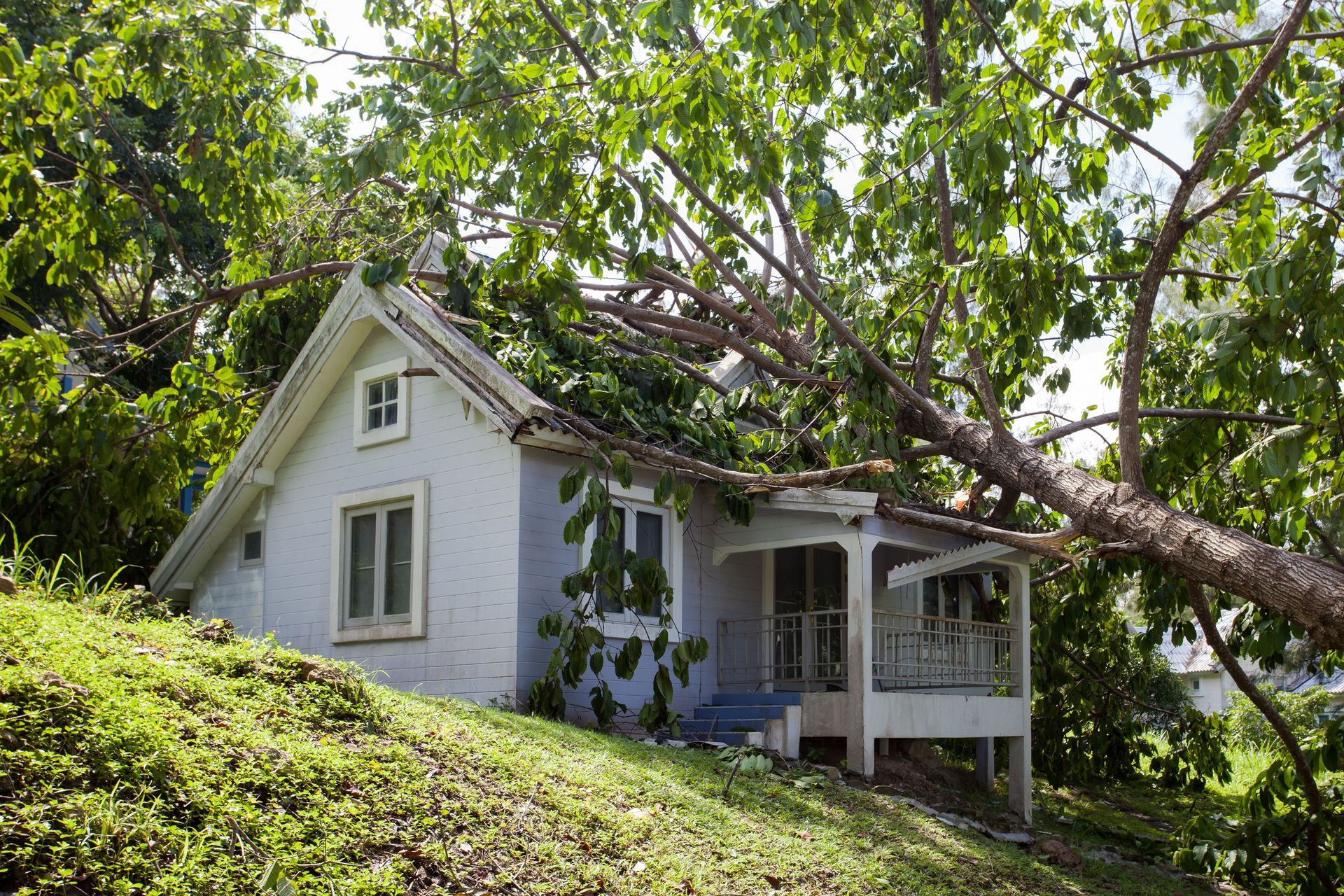
Routine tree trimming focuses primarily on safety, structural integrity, and healthy canopy management for mature shade and yard trees. Crews remove dead, dying, diseased, or storm-damaged limbs before they fall and threaten roofs, vehicles, or pedestrians. Clearing away broken branches also eliminates entry points where wood-boring insects and decay fungi invade vulnerable heartwood.
Beyond hazard reduction, general maintenance establishes vital clearance around power lines, driveways, rooflines, and street signs. Lifting lower limbs prevents branches from scraping siding or blocking sightlines along residential sidewalks. Consistent tree trimming keeps large oaks, maples, and pines balanced so heavy wind gusts pass through the crown without snapping major limbs.
Homeowners nationwide invest heavily in reliable tree care to protect their landscapes and outdoor living spaces. According to Future Market Report, the global market for tree pruning and maintenance services reached a valuation of roughly USD 9.9 billion in 2025, with the United States capturing the largest share at 21.4%. That strong demand reflects how essential consistent professional care remains for residential properties.
Comparing Techniques And Cutting Tools
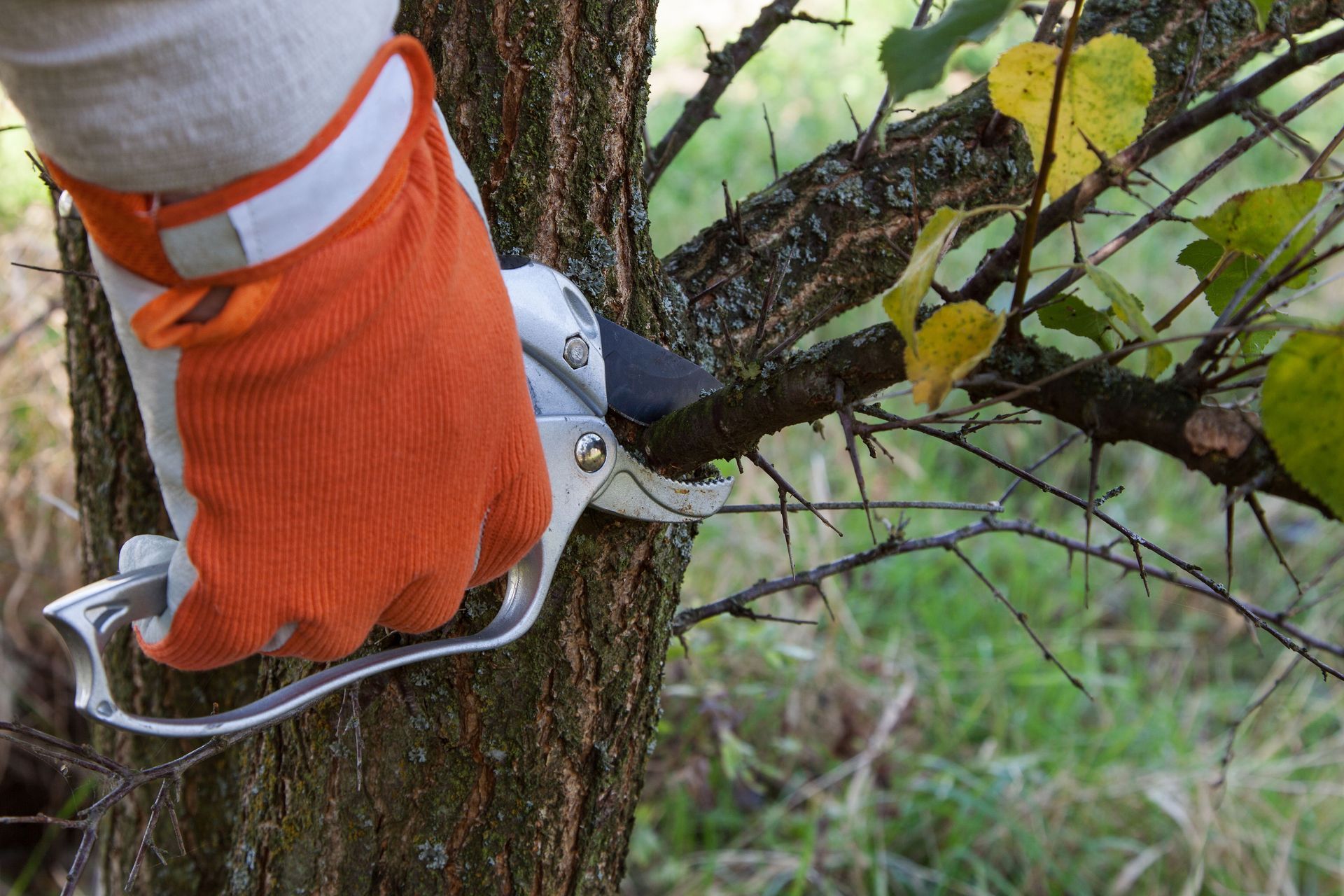
The tools and cutting strategies used for aesthetic sculpting differ dramatically from those required for heavy structural maintenance. Ornamental specialists rely primarily on sharp bypass hand pruners, precision loppers, and fine-toothed folding saws to make surgical cuts just above outward-facing buds. Every snip is deliberate, guiding future shoot direction while leaving virtually invisible wounds that heal rapidly.
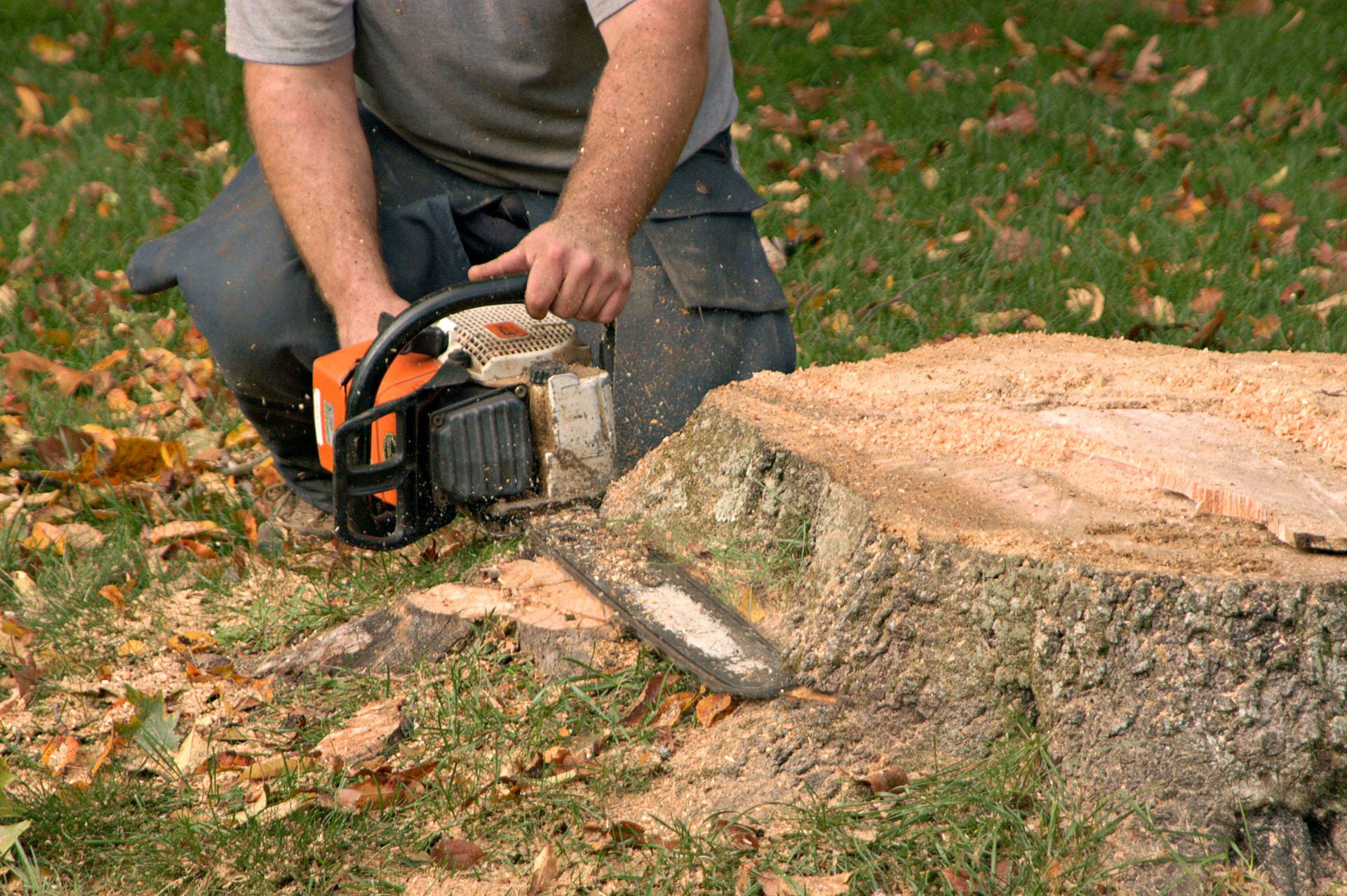
Conversely, crews performing routine tree trimming often utilize pole saws, chainsaws, rigging ropes, and aerial lifts to manage thick, elevated limbs safely. Arborists make careful cuts outside the swollen branch collar to prevent heavy wood from tearing bark down the main trunk. Proper collar preservation enables the tree to seal wounds naturally through compartmentalization.
Aggressive shearing or indiscriminate topping never belongs in either discipline. Stripping away too much living foliage shocks the root system, triggers weak water sprouts, and ruins long-term structural stability. Clean, sanitized blades also prevent bacterial fire blight and fungal diseases from spreading between neighboring landscape plants.
Selecting The Right Approach For Your Species
Matching the proper cutting style to each tree species prevents stress and maximizes natural beauty across your entire yard. Slow-growing ornamental trees and flowering shrubs thrive under delicate hand-pruning that preserves next season's flower buds. Cutting spring-blooming varieties at the wrong time accidentally removes dormant blossoms, leaving bare green branches where vibrant color should appear.
Fast-growing shade trees, evergreens, and towering hardwoods respond best to periodic structural maintenance rather than constant cosmetic sculpting. Large species need room to develop strong central leaders and wide, sturdy branch unions capable of supporting heavy foliage. Scheduling routine tree trimming every few seasons removes competing leaders and rubbing limbs before structural defects become permanent.
Evaluating growth rate, mature size, and proximity to buildings helps determine which service fits best. Many diverse yards actually benefit from combining both methods across different planting zones. Young shade trees also gain immense value from early structural training that establishes balanced limb spacing while branches are still small and easy to manage.
Timing Your Cuts For Maximum Plant Health
Seasonal timing plays a critical role in how quickly trees recover from pruning wounds and resist opportunistic pests. Late winter dormancy offers an ideal window for structural tree trimming because bare branches reveal hidden cracks, crossing limbs, and weak attachments clearly. Cold temperatures also keep bark beetles and airborne fungal spores inactive while wounds begin sealing.
Ornamental species follow more nuanced calendars dictated by their specific flowering and sap-flow cycles. Spring-flowering trees generally receive light shaping immediately after petals drop, giving plants plenty of summer warmth to set fresh buds for next year. Summer-blooming varieties tolerate late-winter shaping right before new spring shoots emerge.
Maples, birches, and walnuts bleed heavy sap if cut during early spring thaw, though this harmless fluid rarely harms healthy trees. Avoiding major cuts during autumn leaf drop prevents moisture from lingering inside fresh wounds before winter freezes arrive. Planning seasonal care around natural dormancy protects stored root energy and promotes vigorous spring leaf-out.
Recognizing When To Call Certified Professionals
Attempting complex canopy work without proper training, protective gear, or sharp equipment puts both homeowners and trees at serious risk. Climbing ladders with power saws leads to dangerous falls, while ragged, flush, or stubbed cuts invite permanent rot into valuable landscape specimens. Experienced arborists understand tree biology, load distribution, and safe rigging methods for every yard layout.
Professional crews also spot subtle warning signs that untrained eyes easily miss, including included bark, root girdling, pest galleries, and early fungal conks. Addressing minor defects early through targeted tree trimming prevents emergency storm failures and expensive removals later. Skilled specialists clean up all brush and debris thoroughly, leaving lawns neat and undamaged.
Investing in qualified arboricultural care preserves mature shade canopies that take decades to grow and cannot be replaced overnight. Healthy, well-maintained trees lower summer cooling bills, buffer neighborhood noise, and create welcoming outdoor spaces for family gatherings.
Whether your yard features delicate Japanese maples or towering backyard oaks, customized care keeps every branch healthy, balanced, and thriving year-round. Ready to give your landscape trees the expert, reliable care they truly deserve? Contact The Tree Surgeon today to schedule a thorough property evaluation and customized tree trimming plan for your residential yard and outdoor living spaces!