November 24, 2026
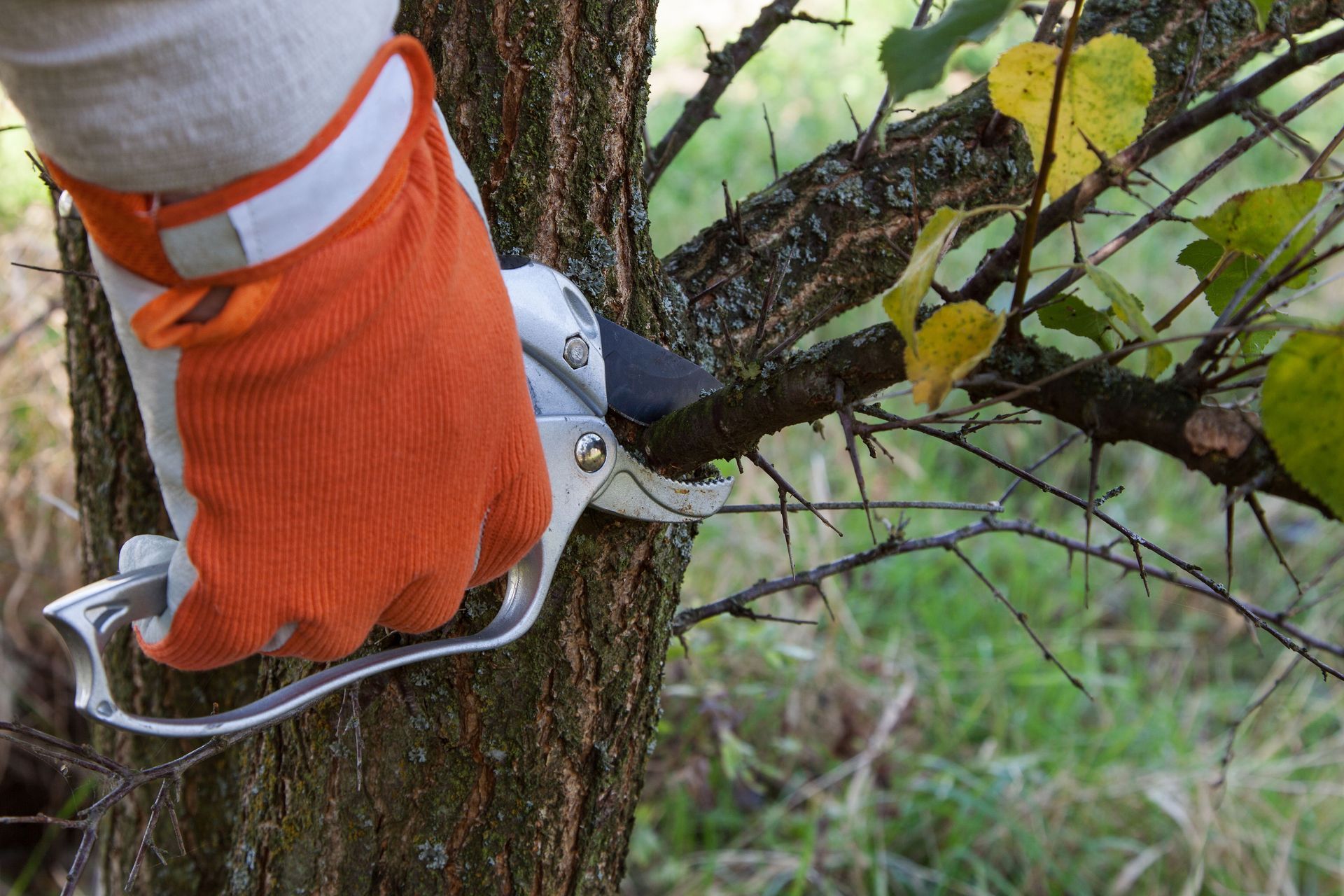
Trees add beauty and shade to properties, but their needs change as they mature. Regular tree trimming helps manage excess growth and allows a professional to identify branches that may be competing for space or developing poorly. Selective tree trimming can improve structure and encourage balanced growth. The approach depends on the species, age, and condition.
Routine attention can also help professionals identify dead, damaged, or diseased branches before they become larger concerns. Removing affected growth may limit some problems and support healthier parts. Trimming is not a cure for every tree health issue, and some conditions require further evaluation or treatment. A qualified tree care provider can determine which work is suitable for each tree and recommend a schedule based on its condition.
Reduce Risks From Weak or Overgrown Branches
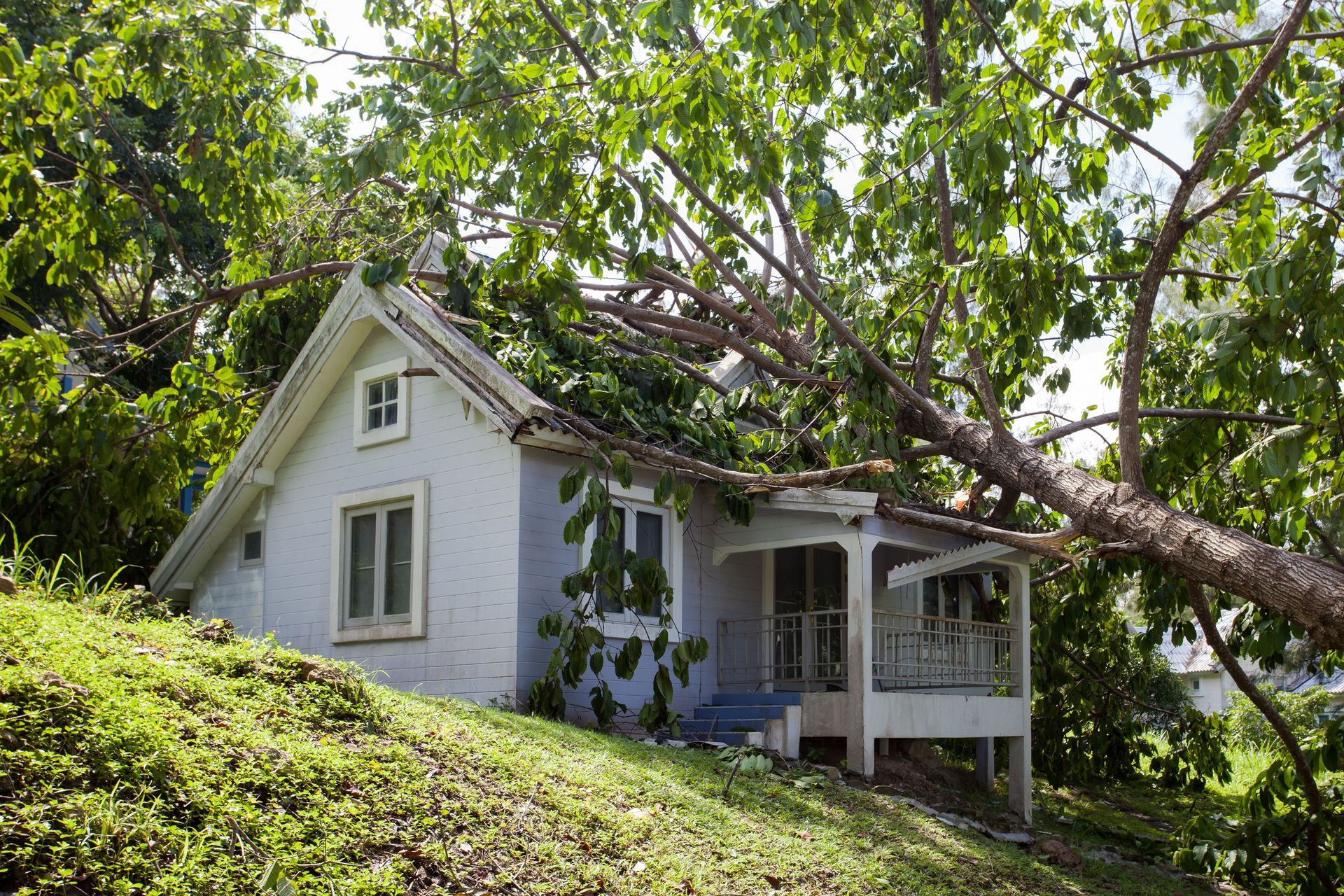
Branches that are dead, cracked, or poorly attached can become hazards, particularly during high winds, heavy rain, or snow. Limbs extending over walkways, driveways, parking areas, and outdoor gathering spaces may also create concerns for people and property. Routine tree trimming gives professionals an opportunity to assess these areas and remove branches that pose an avoidable risk. Addressing concerns before severe weather helps manage hazards proactively.
Not every large branch needs to be removed, and excessive cutting can create additional stress for a tree. A professional evaluates branch placement, attachment, condition, and the tree's overall structure before deciding what to prune. This approach preserves natural shape while addressing safety concerns. It also helps ensure that work is prioritized according to actual conditions rather than appearance alone.
Protect Roofs, Walkways, and Nearby Structures
As trees grow, branches can extend toward buildings, fences, utility areas, and other features on a property. Contact with roofs or siding may cause abrasion, while low limbs can interfere with vehicles and pedestrian access. Branches growing close to service lines may require special attention and coordination with the appropriate utility provider. Periodic inspections identify conflicts and whether selective tree trimming is warranted.
Keeping suitable clearance around structures can also make routine property maintenance easier. Overhanging limbs may drop leaves, twigs, or other debris onto roofs, gutters, patios, and paved surfaces. Trimming will not eliminate debris, but can reduce some maintenance challenges. A professional can recommend practical clearance goals while considering the tree's health, mature size, and location.
Improve Sunlight and Air Circulation
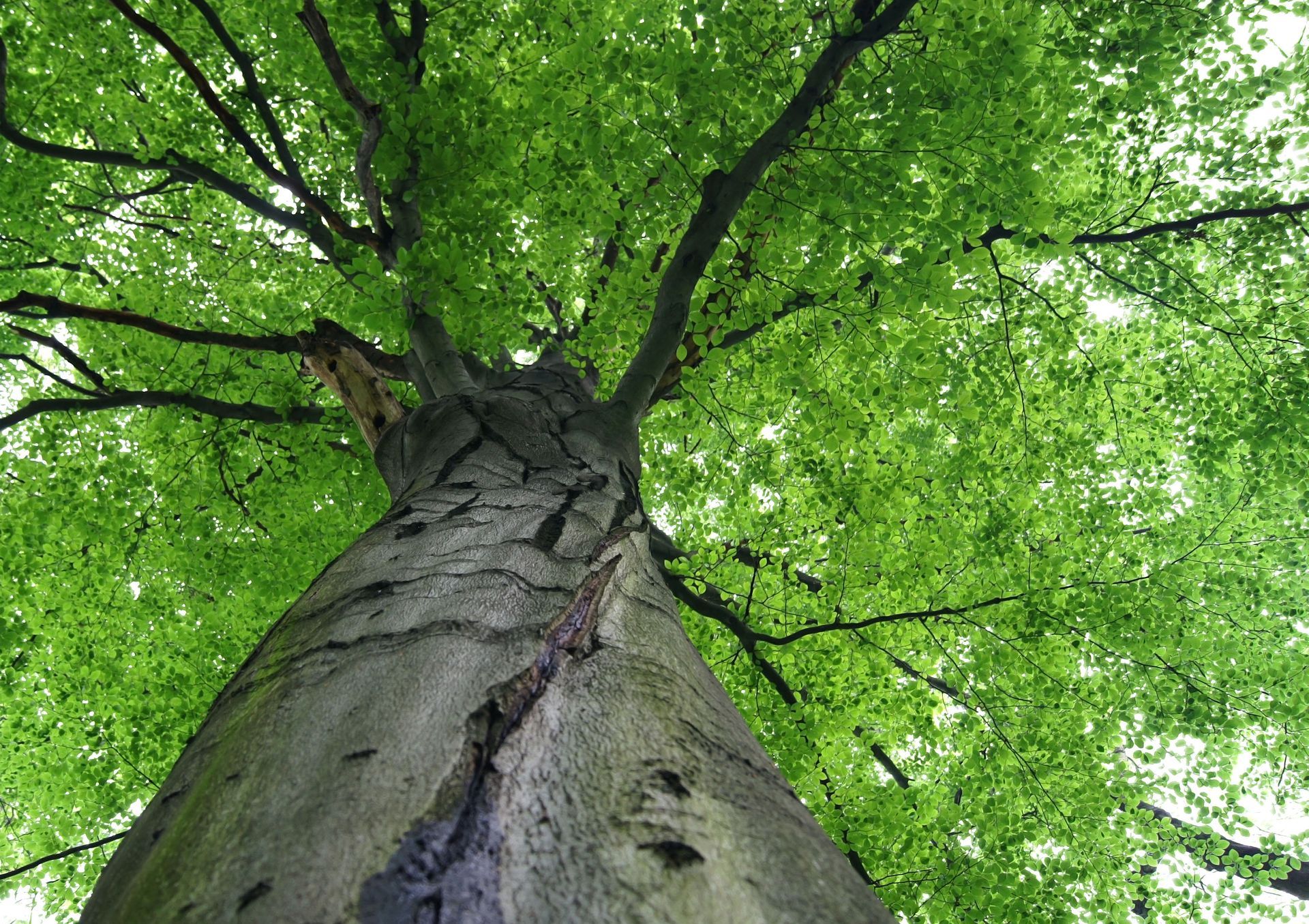
Dense canopies can limit the amount of sunlight reaching lawns, gardens, and lower portions of a landscape. In some cases, carefully selected branch removal can allow more light to pass through without stripping away too much of the tree's canopy. Improved spacing between branches may also support air movement through the crown. These changes can open outdoor areas and improve conditions for nearby plants.
The goal is not to make every tree sparse or uniform. Different species have distinct growth habits, and their canopies should be managed with those characteristics in mind. Removing too much foliage can interfere with the tree's ability to produce energy and may encourage weak or poorly positioned regrowth. A knowledgeable tree care professional can determine whether thinning is appropriate and how much intervention is suitable.
Enhance Curb Appeal and Landscape Appearance
Well-maintained trees can contribute significantly to a property's overall appearance. Overgrown limbs, uneven growth, and visibly damaged branches may make a landscape look neglected, even when other features are carefully maintained. Professional tree trimming can help restore a balanced outline and keep trees in proportion with nearby buildings, lawns, and plantings. The result can be a more orderly outdoor environment without sacrificing the natural character that mature trees provide.
Appearance should remain connected to the tree's health and natural form. Cutting a tree into an unsuitable shape or removing too much of its canopy simply to create a particular look can cause lasting damage. Professionals consider the species and its normal growth pattern when shaping the canopy. This improves appearance while keeping long-term tree condition in view.
Support Seasonal Tree Care Planning
Tree care needs can vary throughout the year, and the right time to prune depends on the species, local climate, and reason for the work. Some trees are best pruned during dormancy, while others may require attention at different points in their growth cycle. Dead or hazardous branches may need prompt attention regardless of the season. A professional can explain the timing considerations for trees on a particular property and help establish a practical maintenance plan.
A planned schedule also makes it easier to monitor changes from one year to the next. Professionals can note developing structural concerns, changes in canopy density, and branches that may need attention during a future visit. This is useful for properties with mature trees or multiple specimens. Instead of waiting until growth becomes disruptive, owners can make informed decisions as conditions evolve.
Preserve Space for People and Property Use
Trees should complement how a property is used, not make everyday access unnecessarily difficult. Low branches may obstruct sidewalks, signs, entrances, or parking spaces, while broad growth can limit clearance for delivery vehicles and service equipment. Selective pruning can help maintain usable space around these features while preserving the tree's overall structure. This matters for commercial properties and homes with busy driveways or walkways.
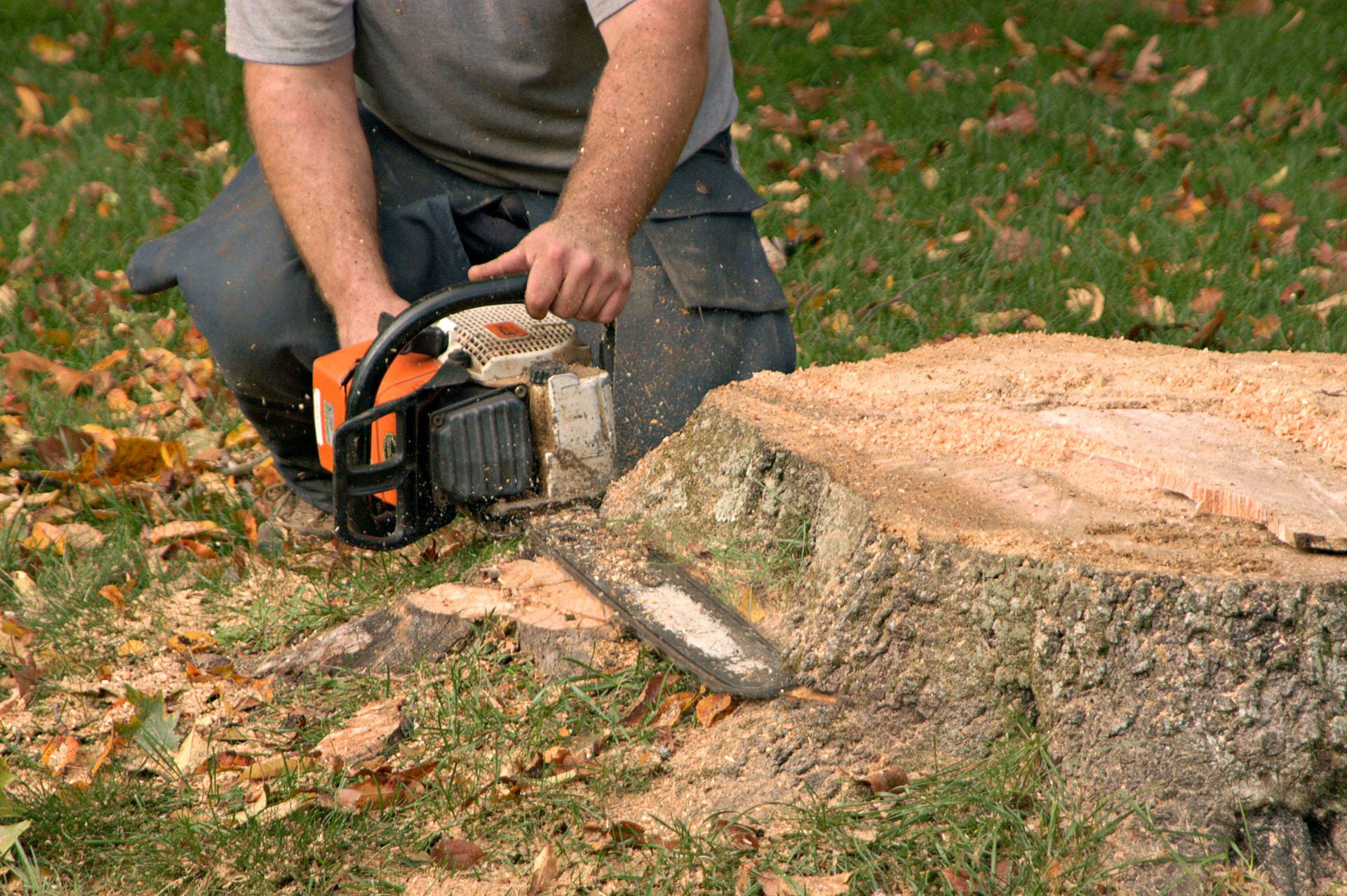
Tree care professionals can assess how branches interact with the surrounding landscape and recommend work that balances access with healthy growth. They may also identify situations where trimming alone will not resolve the issue, such as a tree planted too close to a structure or one with significant structural defects. Understanding tree trimming's limits helps owners choose an appropriate solution. The goal is a landscape that remains functional while retaining the benefits of established trees.
Rely on Experienced Tree Care Professionals
Tree work involves more than cutting visible branches. Professionals must recognize how a tree responds to pruning, identify structural weaknesses, and consider the risks associated with working at height or near buildings and utilities. According to IBISWorld, the tree trimming services industry in the United States includes 19,929 businesses. The figure reflects a broad professional sector and the importance of choosing a provider with suitable experience and equipment.
Before work begins, a qualified provider should discuss the condition of the trees, the proposed scope, and any site-specific considerations. Clear communication helps property owners understand which branches need attention and why certain cuts are recommended. Professionals can also explain whether a tree may benefit from monitoring, additional assessment, or a different type of care. Selecting an experienced company helps ensure that decisions are based on the tree's needs rather than a one-size-fits-all approach.
Routine
tree trimming can help property owners address potential hazards, maintain attractive landscapes, and keep trees compatible with the spaces around them. Regular evaluations make it easier to identify changing conditions and plan appropriate work before branches become disruptive or unsafe. Because each tree has its own growth pattern and care requirements, professional recommendations are valuable for setting priorities. A consistent maintenance approach can help preserve the benefits trees bring to a property over time.
At The Tree Surgeon, we help property owners care for their trees with services guided by the condition and needs of each landscape. Our team can assess overgrown, damaged, or poorly positioned branches and discuss an appropriate plan for your property. Whether you need attention for individual trees or ongoing care across a larger landscape, we work to provide professional service with the health, safety, and appearance of your trees in mind. Contact The Tree Surgeon to schedule an evaluation and discuss your tree care needs.