November 23, 2026
Maintaining a safe and thriving landscape requires knowing how to distinguish between routine tree maintenance and complete extraction. Property owners often struggle to decide whether pruning away dying limbs will save a specimen or if a more drastic intervention is required to protect their home. Making the right choice preserves property value, prevents liability risks, and supports the surrounding ecosystem. By evaluating specific biological, structural, and environmental indicators, you can confidently manage your yard's canopy and plan for long-term landscape health. Understanding these distinctions not only aids in immediate concerns but also contributes to a more sustainable environment. This knowledge equips property owners with the ability to make informed decisions that align with conservation efforts.
Understand Deadwood Formation and Its Impact
Deadwood consists of branches or sections of a tree that have died and no longer perform vital biological functions. This natural phenomenon typically stems from insufficient sunlight in the lower canopy, aging, drought, frost, or localized nutrient deficiencies. However, external pressures can accelerate this decline and threaten the broader health of your yard. According to research published on Nature.com, deadwood creation has outpaced its natural breakdown by an average of 5%, pointing toward a future buildup driven by shifting climate patterns. Recognizing these dying limbs early allows you to intervene before decay spreads into the healthy core of the trunk. Early intervention minimizes risks associated with tree health and can prevent long-term environmental impacts. Moreover, proactive tree management fosters a healthier ecosystem, encouraging diverse wildlife habitation.
Leaving dead branches unattended creates immediate safety hazards and invites destructive pests into your yard. Heavy limbs can snap unpredictably during high winds or ice storms, causing severe property damage or personal injury. Removing this dead material redirects the tree's energy and nutrients toward vigorous, living foliage while eliminating habitats for wood-boring insects and fungal pathogens. Using proper pruning techniques, such as the three-cut method during the dormant winter season, ensures clean wounds that heal rapidly without tearing the surrounding bark. This strategic approach also prevents the onset of additional pathogens that thrive on exposed wounds. Effective pruning not only secures the tree's stability but also enhances its aesthetic appearance for guests and residents alike.
Evaluate Signs That Pruning Is Sufficient
Determining whether targeted pruning will resolve the issue starts with a comprehensive visual inspection of the canopy and trunk. Healthy specimens generally display vibrant, full foliage during the growing season and show steady signs of new twig growth. If the dying branches are confined to the lower canopy or represent less than a quarter of the overall crown, selective pruning is usually the ideal remedy. Consulting a certified arborist can also help you identify whether soil amendments, deep-root watering, or localized pest treatments will restore the plant's vitality. Regular consultations with experts can lead to more informed management decisions over time. Advanced diagnostic tools employed by professionals can provide deeper insights into the health of your trees.
Tree age and species characteristics also play major roles in deciding if simple maintenance is enough. Mature hardwoods like oaks naturally shed shaded interior branches as they grow, meaning a moderate amount of dead limb accumulation is completely normal. Conversely, extensive dieback in a young sapling often signals serious root establishment problems or systemic vascular issues that pruning cannot fix. You must also weigh proximity to high-traffic zones, as even a small dead branch hanging directly over a driveway or children's play area requires prompt attention to ensure safety. Considering the tree's overall ecosystem role helps in making management decisions that benefit local biodiversity. Additionally, evaluating human activity impact on tree health can help in redesigning landscape layouts for better harmony.
Recognize Indicators for Complete Tree Removal
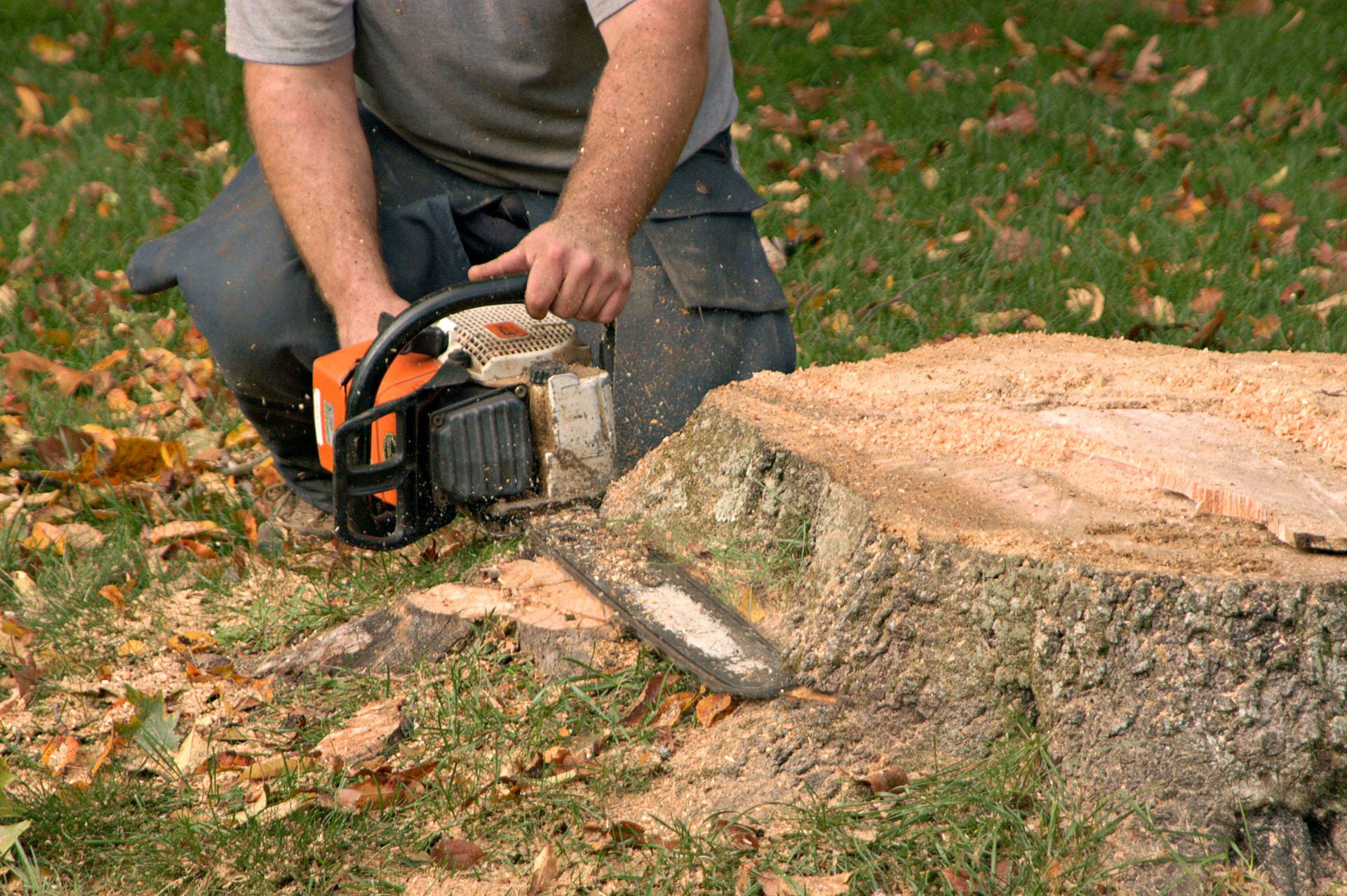
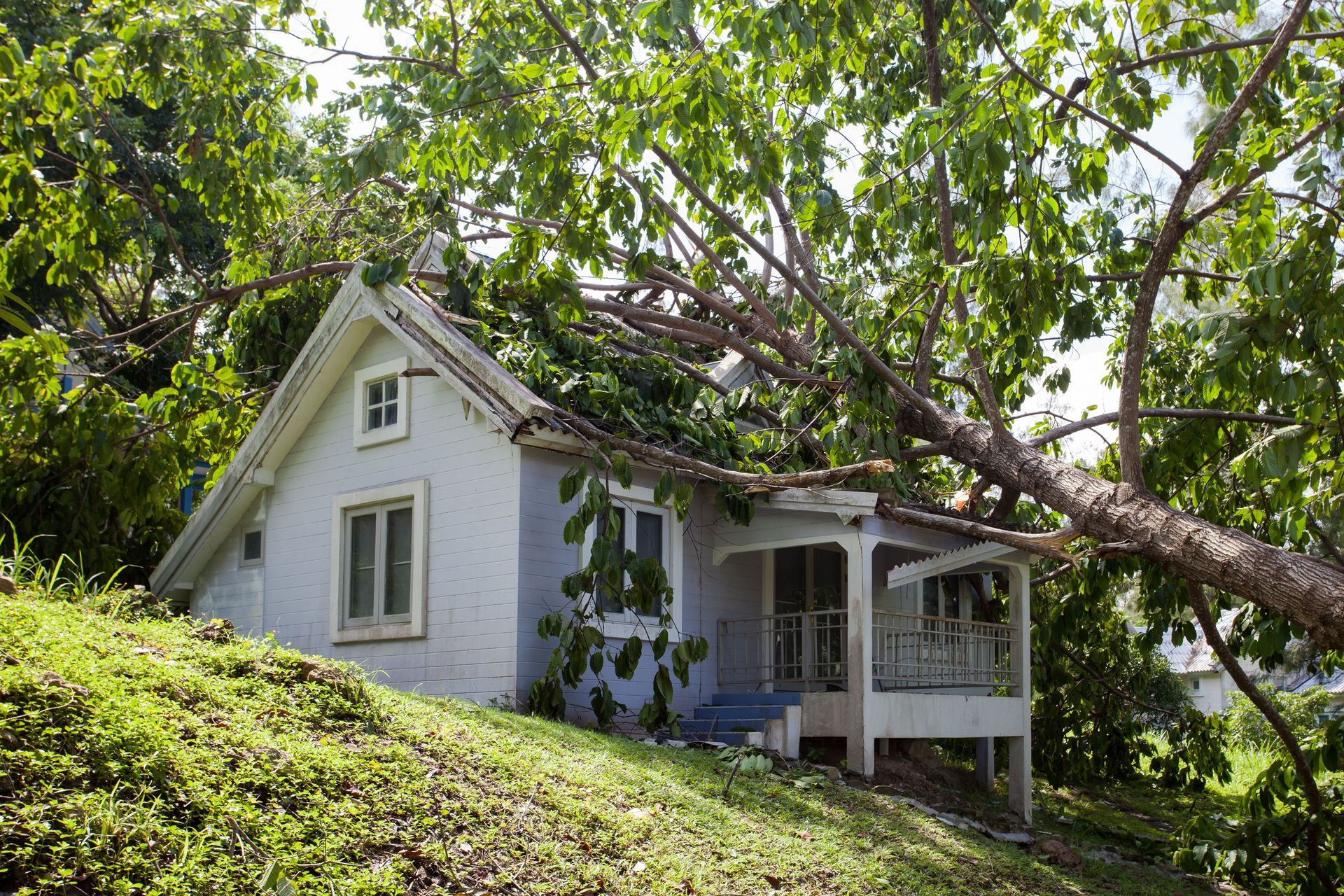
Sometimes a specimen suffers from irreversible decline, making complete tree removal the only responsible course of action. Severe structural defects, such as deep vertical trunk cracks, extensive basal rot, or large hollow cavities, critically compromise a tree's stability. When a trunk begins leaning suddenly or exhibits exposed, lifting roots in saturated soil, the risk of catastrophic failure skyrockets. In these dangerous scenarios, basic pruning cannot restore structural integrity, and delaying tree removal puts nearby structures and neighbors in immediate peril. Early decision-making plays a crucial role in preventing larger safety concerns down the line. Proactively addressing these serious symptoms keeps property exposures to a minimum.
Aggressive diseases and invasive pest infestations frequently push a struggling tree past the point of recovery. Pathogens like verticillium wilt or devastating insects such as the emerald ash borer can destroy a tree's vascular system faster than treatments can work. Once more than half of the canopy has died back, the organism rarely possesses enough photosynthetic capacity to survive. Opting for timely tree removal prevents contagious blights and destructive beetles from spreading to healthy neighboring trees across your property. It also safeguards surrounding landscapes from potential cross-species infection. Proper removal and disposal methods ensure these issues are brought to an effective close.
Environmental conflicts and infrastructure damage also justify taking down an otherwise living tree. Aggressive root systems can heave concrete sidewalks, crack home foundations, or infiltrate underground sewer and water lines. Furthermore, a massive canopy might cast excessive shade that suffocates surrounding gardens, or its branches may dangerously encroach upon overhead utility wires. When a tree consistently causes costly structural damage or threatens essential utilities, strategic tree removal restores harmony and safety to your outdoor space. This decision also allows property owners to redesign and plant with sensitivity to remaining trees and structures.
Weigh Safety and Financial Considerations
Choosing between selective pruning and full extraction involves balancing immediate expenses against long-term financial and legal liabilities. Routine deadwood pruning is significantly more affordable and preserves the shade, privacy, and ecological benefits of an established tree. However, repeatedly paying to prune a rapidly declining specimen quickly becomes a poor investment when the underlying issue remains unresolved. Property owners also bear a legal duty of care to address known hazards, meaning ignoring a dying tree can result in denied insurance claims or costly lawsuits if a limb falls. Understanding the financial implications of neglecting tree health aids in better long-term budgeting strategies. Homeowners can benefit from insurance incentives for maintaining a properly managed landscape.
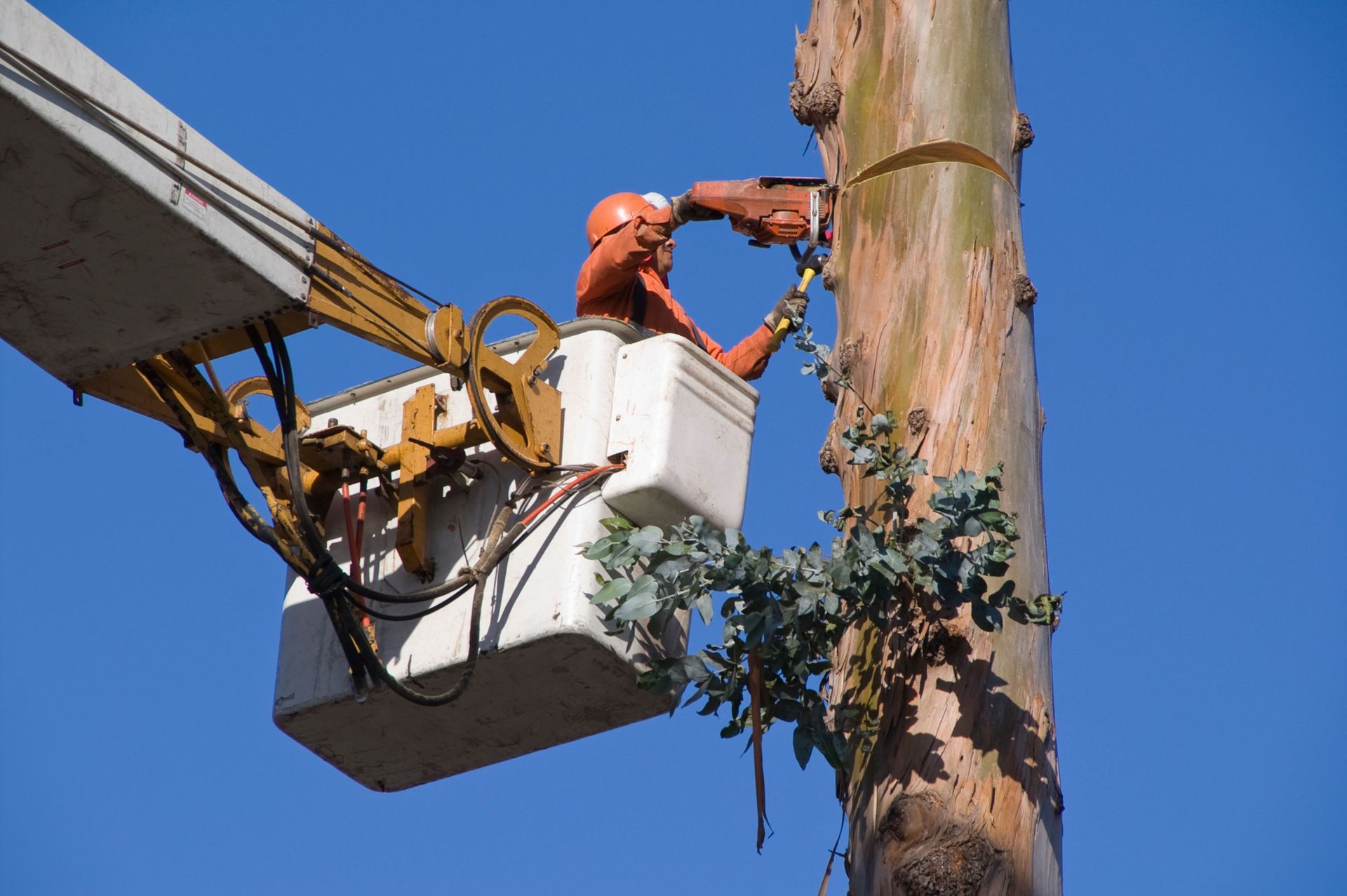
Professional expertise is indispensable when navigating these complex landscape management decisions. Attempting to climb ladders or operate chainsaws near power lines or unstable trunks poses extreme physical danger to untrained homeowners. Certified professionals possess the specialized rigging equipment and diagnostic knowledge needed to execute complex jobs safely and efficiently. Investing in an expert evaluation ensures you never pay for unnecessary tree removal when simple pruning would suffice, while protecting your family from the devastating consequences of keeping a hazardous tree standing. Regular inspections by experts can catch potential issues before they require drastic fixes.
Deciding between routine pruning and total extraction ultimately comes down to prioritizing safety, tree vitality, and long-term property health. While clearing away dead branches can rejuvenate a sturdy specimen and enhance your yard's appearance, severe structural decay, rampant disease, or infrastructure damage demand decisive action. Never leave hazardous limbs or unstable trunks to chance when severe weather can strike without warning. Reach out to The Tree Surgeon today to schedule a comprehensive property inspection and get expert guidance on whether pruning or professional tree removal is the best solution for your landscape. Consistent monitoring and periodic expert evaluations can help maintain a beautiful and secure outdoor environment. Staying vigilant and proactive leads to fewer surprises and ensures years of enjoyment of your landscape.