October 26, 2026
Trees add beauty, shade, and value to a property, but damaged or unstable trees can become serious safety risks when problems go unaddressed. Dead branches, weakened trunks, and damaged roots may not appear dangerous at first, yet these issues can lead to falling limbs, property damage, and injuries. Knowing when a tree poses a hazard can help property owners take action before a minor concern becomes a major problem. This article explains the hidden dangers of delaying tree removal, the warning signs to watch for, and how professional care can help protect people and property.
Preventing Injuries From Falling Branches
Falling branches are among the most common hazards associated with damaged trees. Even a branch that appears relatively small can cause serious injuries when it falls from a significant height. Larger limbs can cause severe harm to people, pets, and anyone passing beneath the tree. Dead branches may become brittle as they lose moisture, making them more likely to break during windy conditions. Branches weakened by disease or internal decay can also fall without much warning. When a hazardous tree stands near a driveway, walkway, patio, or other frequently used area, the danger may extend to everyday activities.
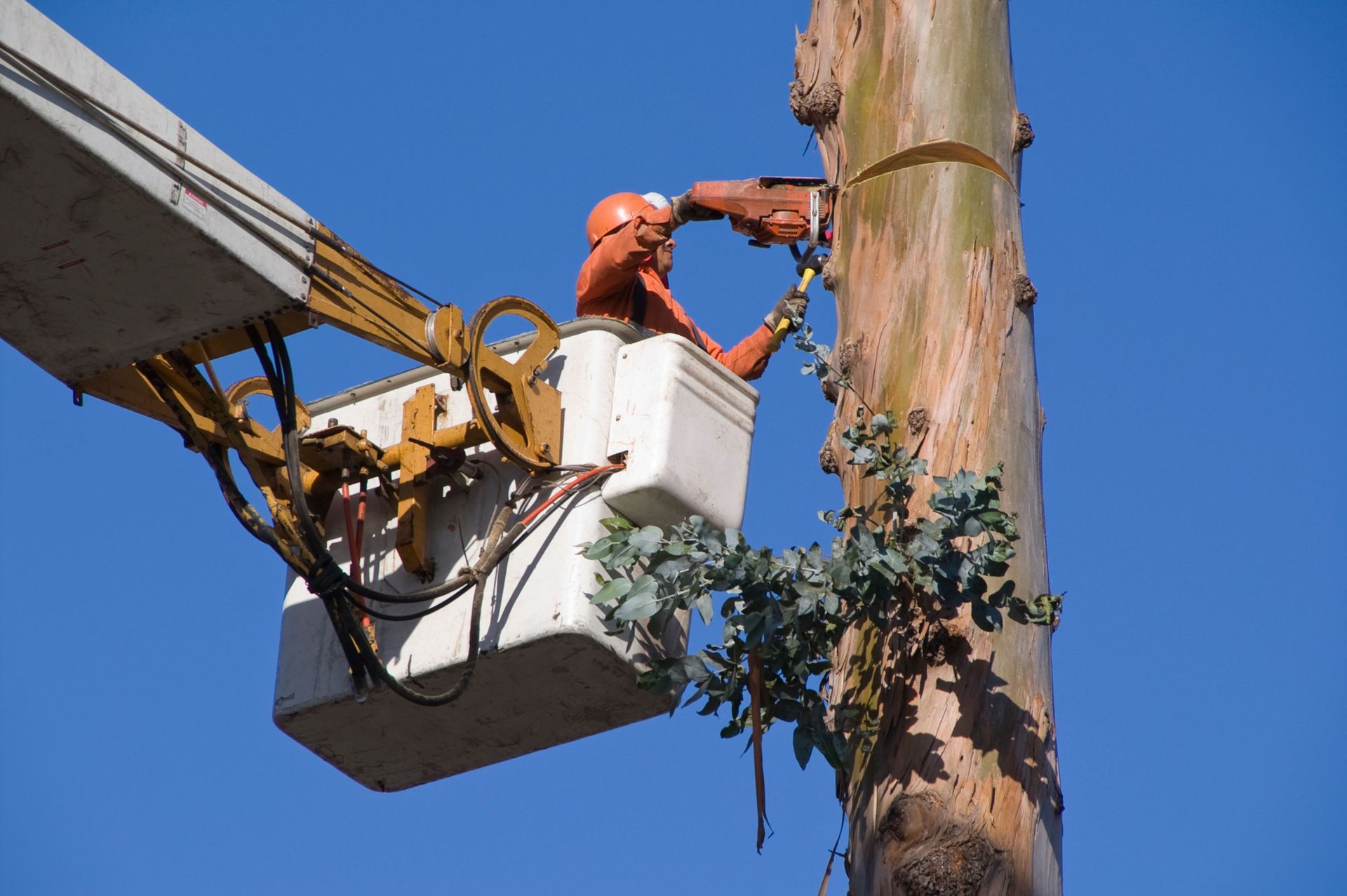
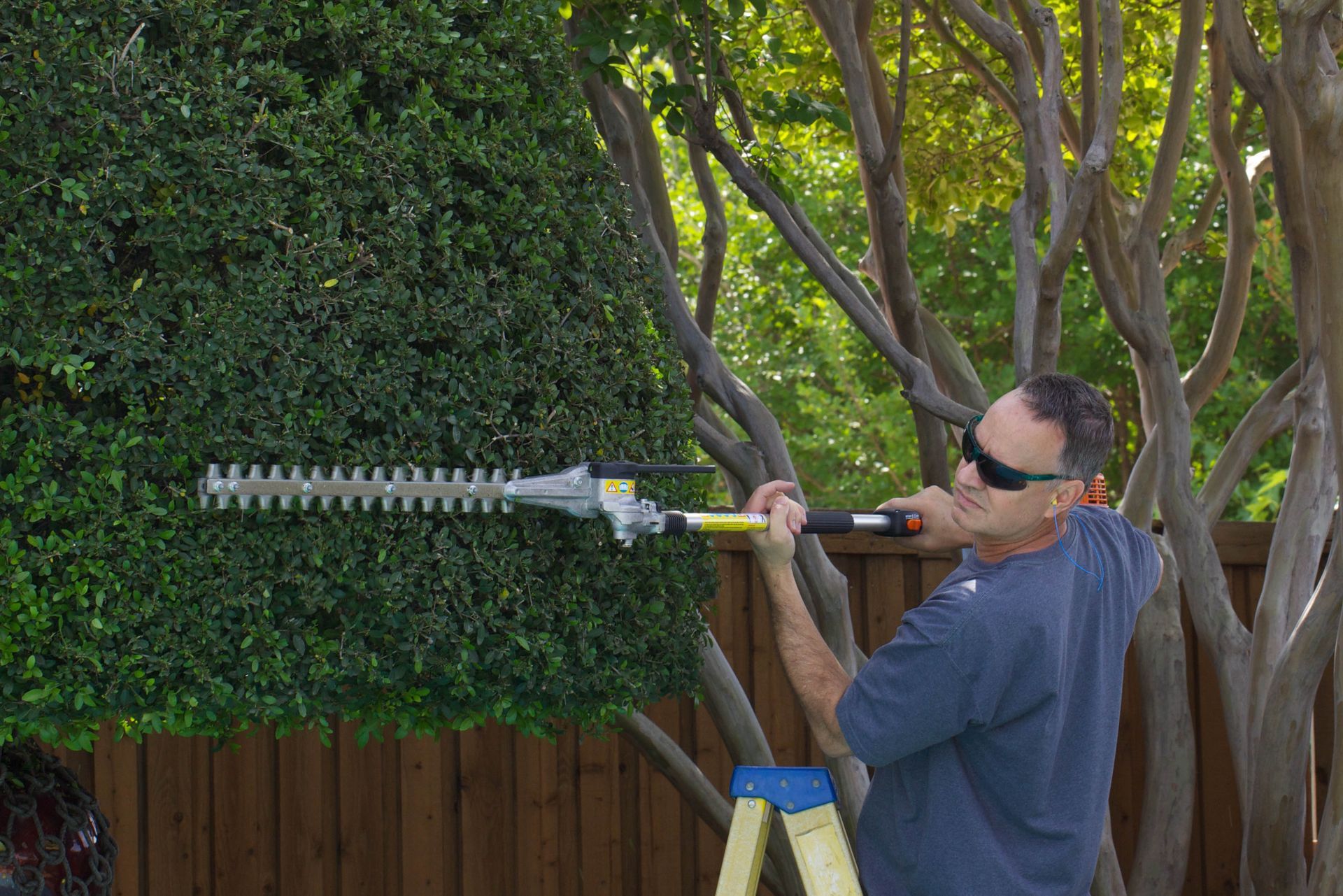
Waiting too long to address these problems leaves people exposed to risks that could have been reduced through timely action. A falling branch may damage outdoor furniture, block an entrance, or strike a vehicle. In more serious situations, it can cause life-threatening injuries. Regular tree assessments can help identify weak limbs and other conditions that require attention. According to Home Advisor, having a tree trimmed every three to five years helps keep the health and growth of the tree on track. Routine trimming can help manage branch growth and remove certain hazards before they become more severe. When a tree has extensive damage or serious structural problems, professional evaluation can determine whether trimming is sufficient or tree removal is the safer option.
Protecting Buildings and Outdoor Structures
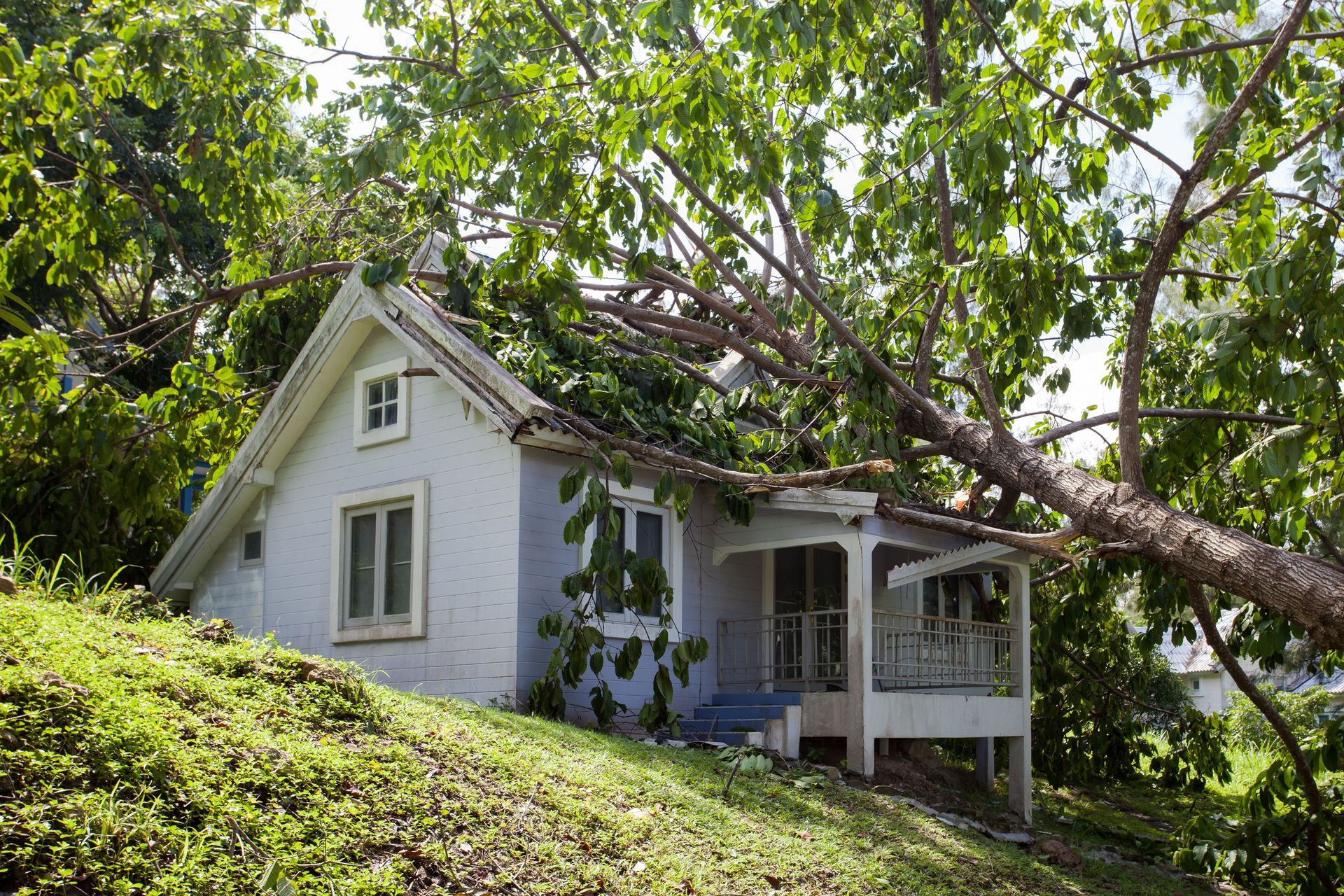
A hazardous tree can threaten nearby buildings, fences, sheds, garages, and other structures. As branches grow, they may extend over roofs or come into contact with siding and windows. Repeated contact can damage roofing materials, scratch surfaces, and create openings where moisture can enter. The risks increase when a tree has a weakened trunk or compromised roots. Strong winds and heavy rain can place additional stress on the tree, causing it to fall toward a nearby structure. Even when the entire tree does not collapse, large falling limbs can damage roofs, break windows, and destroy outdoor features.
Delaying action can turn a manageable concern into a costly repair. Property damage may involve more than replacing a broken branch or repairing a small section of a roof. A fallen tree can affect several parts of a building, damage utility connections, and require extensive cleanup. Trees located close to buildings should receive attention when they show signs of decline or instability. Seeking professional help can establish whether the tree presents an immediate threat and what steps may reduce the risk. Addressing hazardous conditions early can help protect structures and limit avoidable repair expenses.
Reducing Risks During Severe Weather
Severe weather can expose weaknesses that might otherwise go unnoticed. Strong winds, heavy rain, lightning, and storms can place considerable pressure on trees, particularly those with damaged trunks, dead limbs, or unstable roots. A tree that appears healthy from a distance may still have structural weaknesses that make it vulnerable during extreme conditions. Wet soil can reduce the stability of a tree's root system, especially when roots have been damaged by decay or other factors. Wind can then push the tree beyond what its weakened structure can support. Trees with large canopies may also catch strong gusts, placing additional stress on branches and the trunk.
Waiting until a storm approaches to address a known hazard can leave limited time for a proper assessment. Severe weather can develop quickly, and emergency conditions may make tree work more difficult. When a tree already shows signs of instability, arranging a professional evaluation before storm season can help identify potential problems. Timely tree removal may be necessary when a tree cannot safely remain in place. Removing a dangerous tree before it falls can help reduce the likelihood of damage to nearby buildings, vehicles, and outdoor areas. It can also limit the chance that a fallen tree will block access routes during an emergency.
Preserving the Health of Nearby Trees
A declining tree can sometimes affect the surrounding landscape. Certain pests and diseases may spread from one tree to another, particularly when nearby trees are vulnerable to the same conditions. Dead or damaged trees can also create falling-branch hazards that extend beyond the affected tree itself. Not every unhealthy tree needs to be removed. Some trees can recover with appropriate care, while others may have damage that cannot be corrected. The cause and extent of the problem help determine which approach is most suitable.
When a tree is severely diseased or structurally compromised, delaying action may allow the problem to worsen. In cases involving contagious tree diseases or harmful pests, a professional assessment can help determine whether the affected tree poses a risk to surrounding vegetation. Taking action at the right time can support a healthier landscape and reduce hazards throughout the property. Professional guidance can help distinguish between trees that need continued care and those that have become unsafe to keep. When removal is necessary, addressing the problem promptly can also create space for healthier growth in the future.
Avoiding Damage to Underground and Overhead Utilities
Trees can create hazards for utility systems as they grow or become unstable. Branches may reach overhead power lines, while roots can interfere with underground pipes, drainage systems, and other buried infrastructure. These problems may develop gradually and become more serious when a tree's condition begins to decline. Branches near power lines can increase the risk of electrical hazards, particularly during storms or when limbs break. A falling tree may also pull down lines, interrupt essential services, or obstruct access for utility crews. These situations can pose serious risks to people nearby and require prompt attention from qualified professionals.
Underground concerns may be less visible. Expanding roots can affect certain pipes, paved surfaces, and drainage features, depending on the tree species, soil conditions, and location. A tree with extensive root damage may also become less stable, increasing the possibility of a fall. Delaying professional evaluation can allow these hazards to become more difficult and expensive to address. If a tree is growing near utility infrastructure or appears to be leaning toward overhead lines, professional help should be sought promptly. Utility providers may need to be involved when electrical equipment or power lines are affected.
Managing Long-Term Property Costs
Delaying tree care may seem like a way to save money, but it can lead to higher costs later. A damaged tree may deteriorate, increasing the risk of falling branches, structural failure, emergency removal, and property damage. Fallen trees can also block driveways, cause damage to roofs, and disrupt daily routines. Timely tree removal can help reduce these risks when a tree becomes unsafe. Regular inspections and professional assessments can identify problems early, helping property owners address hazards before they lead to costly repairs.
Ignoring warning signs such as dead limbs, cracks, leaning trunks, and root damage can allow tree hazards to worsen. Trees near buildings, walkways, parking areas, or utility lines deserve prompt attention. A professional assessment can determine whether trimming or removal is necessary. Addressing problems early can help prevent injuries, property damage, and further landscape issues. Contact The Tree Surgeon for professional tree removal when a hazardous tree threatens your property.