April 22, 2026
Healthy trees can make a residential property feel more inviting, comfortable, and complete. They add shade, improve privacy, and strengthen the connection between a home and its landscape. Still, trees need more than occasional trimming. Branch structure, root growth, disease prevention, and seasonal stress all affect their condition. That is why many homeowners rely on professional local tree care to protect both the appearance and function of their yards.
Residential trees do far more than fill open space. They shape curb appeal, support outdoor comfort, and help define the character of a property. Without proper monitoring, though, even beautiful trees can become a liability. Weak limbs, hidden decay, overcrowding, or growth near roofs and utility lines can lead to expensive problems. Professional local tree care helps homeowners address concerns early, before they become hazards, repairs, or permanent tree loss. It also gives property owners clearer guidance about which trees should be preserved, which need corrective pruning, and which may no longer be suitable for the space. That level of planning supports better decisions and a more stable landscape over time.
Preserving Long-Term Tree Health
One of the greatest benefits of professional local tree care is long-term tree health. Trees often decline slowly, so early warning signs can be easy to miss. Thinning leaves, bark damage, fungal growth, and unusual limb drop may point to larger issues involving pests, disease, or root stress.
A trained tree specialist knows how to evaluate these symptoms in context. Instead of using a generic approach, professionals consider species, soil, age, weather exposure, and nearby structures before recommending the right service. This process helps avoid unnecessary cutting while promoting healthier growth. Local tree care also supports better pruning, which can improve airflow, reduce crowding, and encourage stronger branch development.
When trees receive timely attention, they are more likely to handle changing seasons and environmental stress. Balanced canopies and stable root systems improve resilience during wind, heat, heavy rain, and drought. Over time, this proactive care helps homeowners preserve valuable trees rather than deal with avoidable decline and removal.
Improving Safety Around the Home
Safety is another major reason homeowners invest in professional services. A tree may look stable from a distance while still containing structural weaknesses that threaten the home, vehicles, fences, or walkways. Dead limbs, storm damage, trunk cracks, and overextended branches can all increase the risk of falling debris.
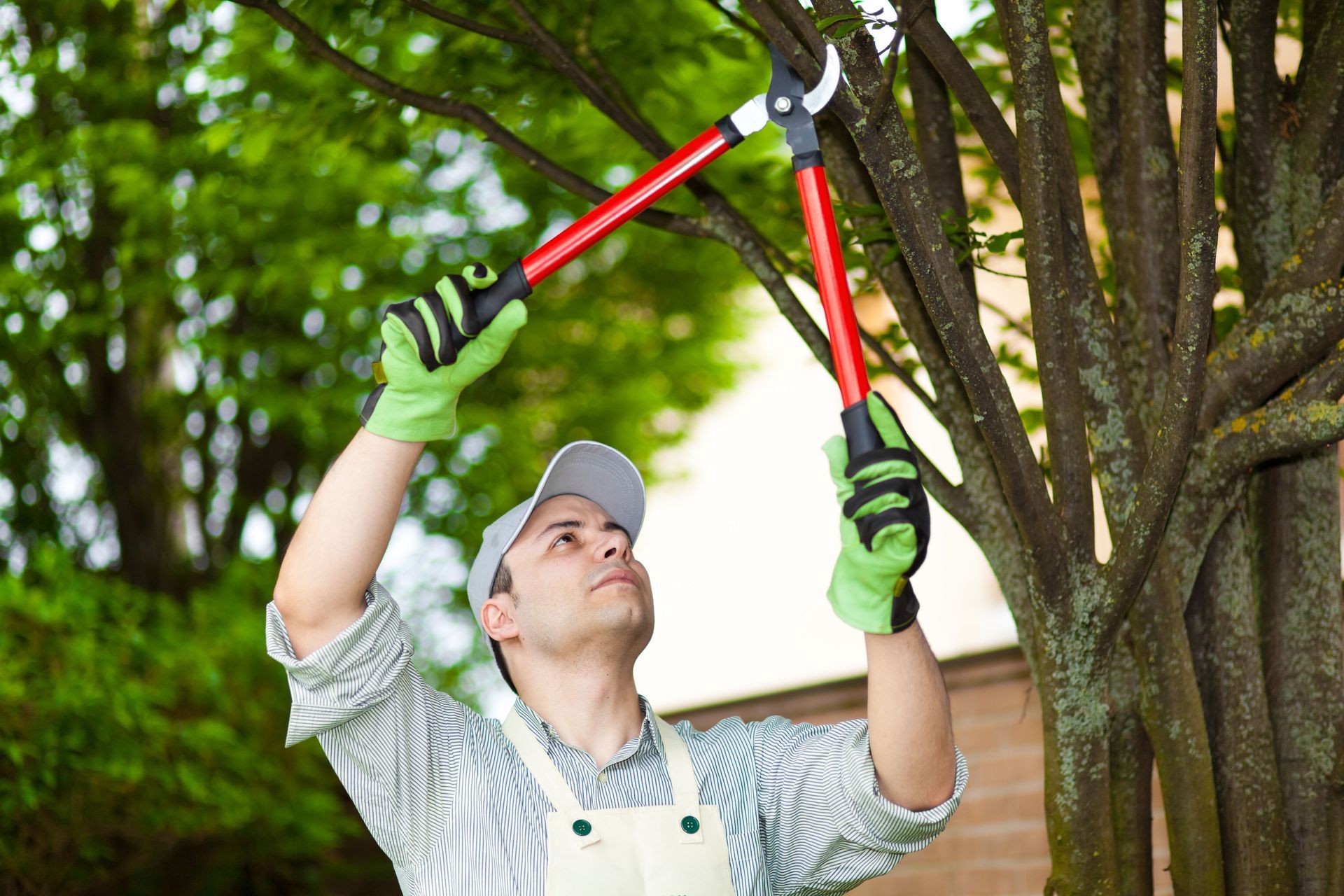
Professional local tree care lowers those risks through careful inspection and targeted maintenance. Pruning can remove damaged limbs before they fail, while canopy management can reduce excess weight and improve balance. In some cases, a specialist may recommend cabling, bracing, or controlled removal when a tree can no longer be stabilized safely.
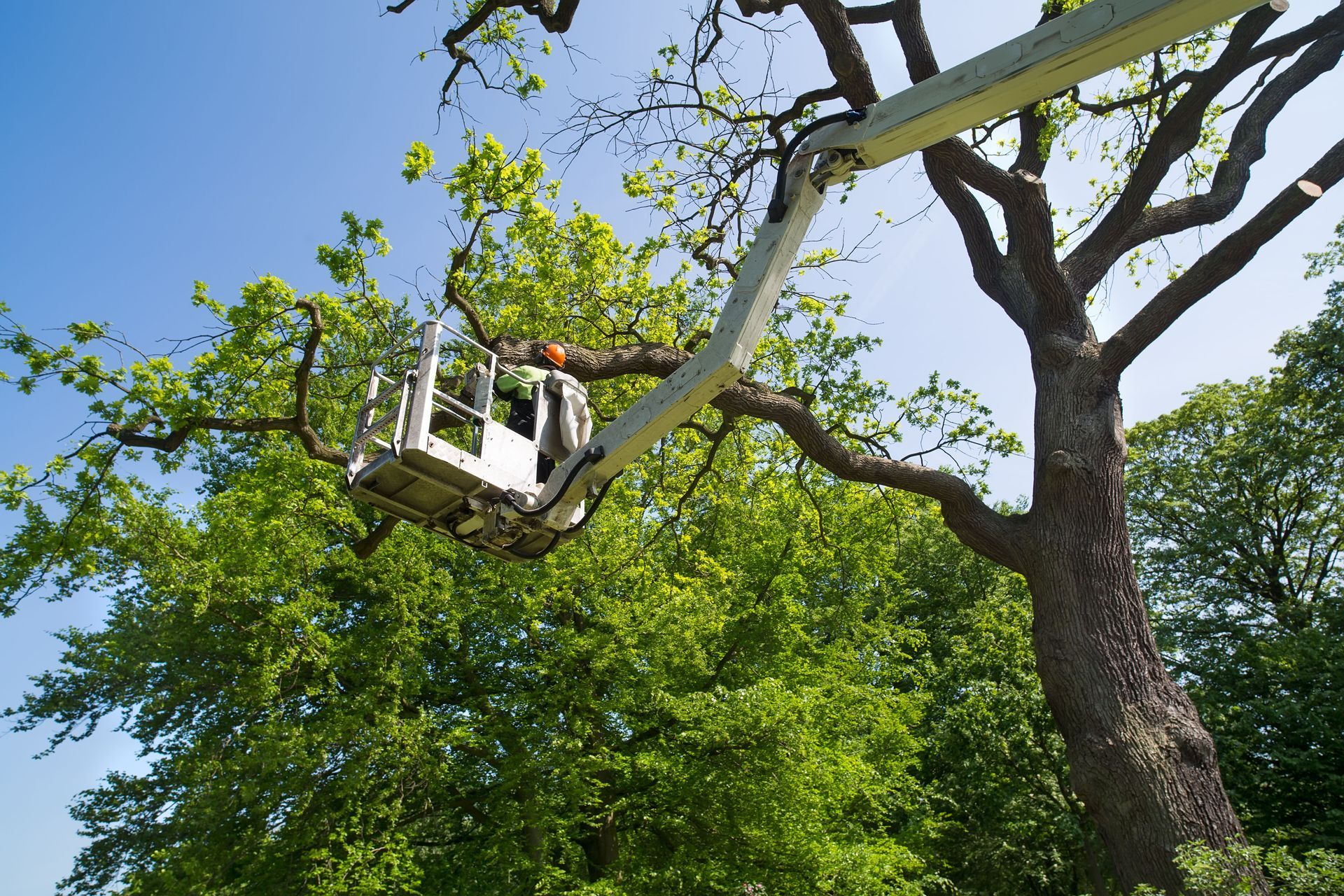
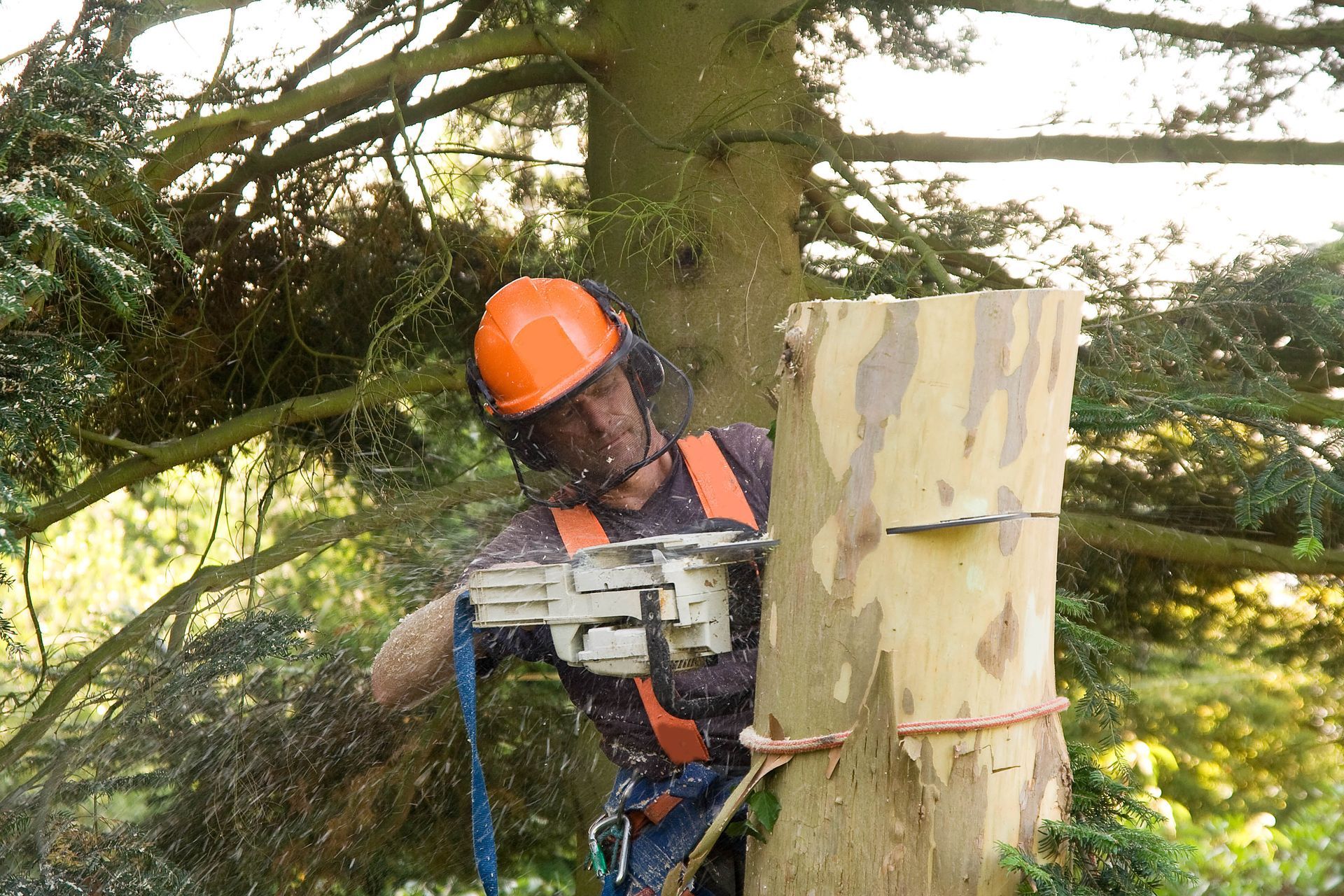
This work also protects homeowners from the danger of doing tree maintenance themselves. Climbing ladders with cutting tools or working near power lines creates serious risks, especially around large trees. Hiring trained professionals helps reduce the chance of injury and ensures the work is handled with proper equipment and planning. Local tree care is not only about appearance. It is also about maintaining a safer residential environment.
Enhancing Property Value and Appearance
Healthy, well-maintained trees can change how a property is perceived. They frame the home, add dimension to the landscape, and create a more established look that many buyers appreciate. This matters whether a homeowner plans to sell soon or simply wants a more polished yard.
The value of trees is not only visual. According to North American Forest Foundation, yards with more trees can increase property values by as much as 15%. Professional local tree care helps protect that value by keeping trees healthy, proportionate, and suitable for the space they occupy.
Overgrown branches, uneven growth, and neglected tree areas can make a yard feel unkempt. Properly maintained trees create cleaner sightlines and help the rest of the landscape look more intentional. Local tree care supports a balanced design, allowing trees to complement the home instead of overwhelming it. For residential properties, that balance can strengthen curb appeal in ways that are both immediate and lasting.
Preventing Damage to Structures
Trees that are not maintained properly can interfere with many parts of a home. Branches may scrape siding, gutters, or roofing materials. Roots can affect sidewalks, driveways, retaining walls, and underground utilities. Dense canopies may trap moisture against the roof or keep areas from drying after rain. These problems often develop gradually, but the repair costs can be significant.
Professional local tree care helps homeowners identify these threats early. Strategic pruning keeps limbs at a safer distance from structures and reduces the chance of storm-related breakage. Root-zone monitoring can show when a tree is growing too close to pavement or foundations. Professionals can also recommend whether a tree should be preserved, managed more closely, or removed before it causes serious damage.
This preventive approach often saves money over time. Instead of waiting for a branch to damage shingles or a root system to crack concrete, homeowners can address the issue while it is still manageable. Local tree care is especially useful on properties with mature trees, where landscaping and structures may be competing for space.
Supporting Seasonal Maintenance
Residential trees change throughout the year, and each season brings different maintenance needs. Spring may reveal winter injury or early disease concerns. Summer can expose heat stress and rapid growth. Autumn is often the right time to remove weak limbs before winter weather arrives. After storms, cleanup may be necessary to prevent further damage to the tree or property.
Professional local tree care provides consistency through these seasonal changes. Rather than reacting only when a problem becomes obvious, homeowners can follow a schedule that supports stronger growth and better structural stability. Seasonal inspections allow specialists to track changes over time and recommend services based on current condition, not just surface appearance.
This ongoing attention becomes even more valuable when a property has several trees. Different species respond differently to pruning schedules, weather patterns, and soil conditions. Local tree care makes it easier to manage the landscape as a whole and keep the property better prepared for changing weather. It also helps homeowners avoid rushed decisions during emergencies because the trees have already been evaluated and maintained with a long-term strategy in mind.
Creating a Better Outdoor Environment
Trees have a direct effect on how homeowners use their yards. They provide shade for patios, soften noise from nearby roads, and make outdoor areas feel more private. When trees are healthy and properly maintained, they can turn a basic yard into a more usable and enjoyable extension of the home.
Professional care helps maximize those benefits. Thoughtful pruning can allow more useful light into the yard while preserving shade where it is needed. Canopy management can improve views without eliminating natural screening. Regular maintenance can also reduce dead debris and pest-related issues that make outdoor spaces less comfortable.
For families who spend time gardening, entertaining, or relaxing outside, tree condition affects both comfort and function. Local tree care supports a landscape that feels cleaner, safer, and easier to enjoy throughout the year. It also helps homeowners maintain the balance between beauty and practicality that every residential property needs. Call The Tree Surgeon today to schedule your tree care or maintenance services.