August 19, 2026
Knowing when to schedule professional tree care can help property owners address visible health, growth, safety, and storm-related concerns. Some situations may call for routine trimming or specialized pruning, while others may require tree removal or emergency service. Recognizing these signs can help homeowners determine when professional tree services may be appropriate.
1. The Signs of Tree Health Concerns
Changes in a tree's appearance can be a reason to schedule a professional inspection. Discolored or wilted leaves, unusual growth, dead branches, and other changes may warrant closer attention. Tree health monitoring can include regular inspections, soil analysis, and early detection of pests or diseases.
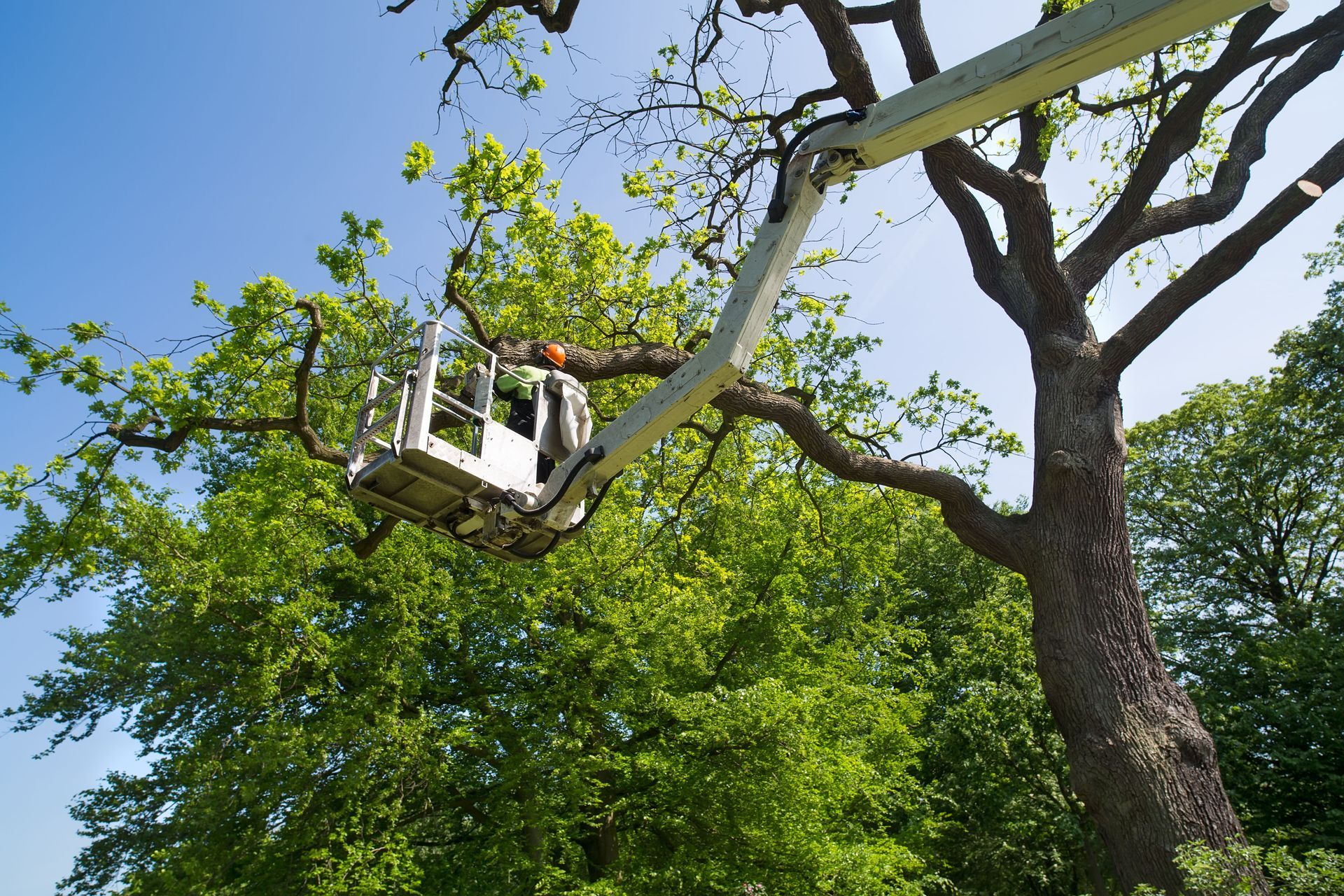
An aerial tree inspection can provide another way to evaluate a tree when potential concerns are located higher in the canopy. This service can identify hazards or health issues that may not be visible from the ground. Professional monitoring can help property owners better understand the condition of their trees and determine appropriate next steps.
Dead branches can also warrant attention even when there are no other obvious signs of a health concern. Deadwood removal can address branches that are no longer living, while routine tree care can help maintain the tree's overall condition and appearance. Addressing visible changes early can help property owners determine whether an inspection, pruning service, or another form of tree services is appropriate.
2. The Signs of Structural Instability
Signs of structural instability in trees should receive prompt attention because damaged or unstable trees and branches can create hazards. A leaning tree may warrant professional evaluation, particularly when it is near a home, vehicle, driveway, or another area where a falling tree or limb could cause damage. Cracks, damaged limbs, hollow areas, or visible decay can also indicate that a tree requires closer assessment.
Hollow or decaying trunks are further indications that a tree may require professional attention. Leaning trees, damaged limbs, and other visible structural concerns can also warrant an inspection, particularly when the tree is near a home, vehicle, driveway, or other area where a falling limb or tree could cause damage. Aerial tree inspections can provide a closer assessment of areas that are difficult to evaluate from the ground, while tree trimming, tree cutting, or tree removal may be appropriate depending on the condition of the tree.
Recognizing structural concerns early can help property owners determine what type of tree care may be appropriate. Some trees may need trimming or specialized pruning to address problematic growth, while a tree that presents a more serious hazard may require removal. Professional tree services can help address these concerns according to the condition and circumstances of the tree.
3. The Patterns of Rapid or Unusual Growth
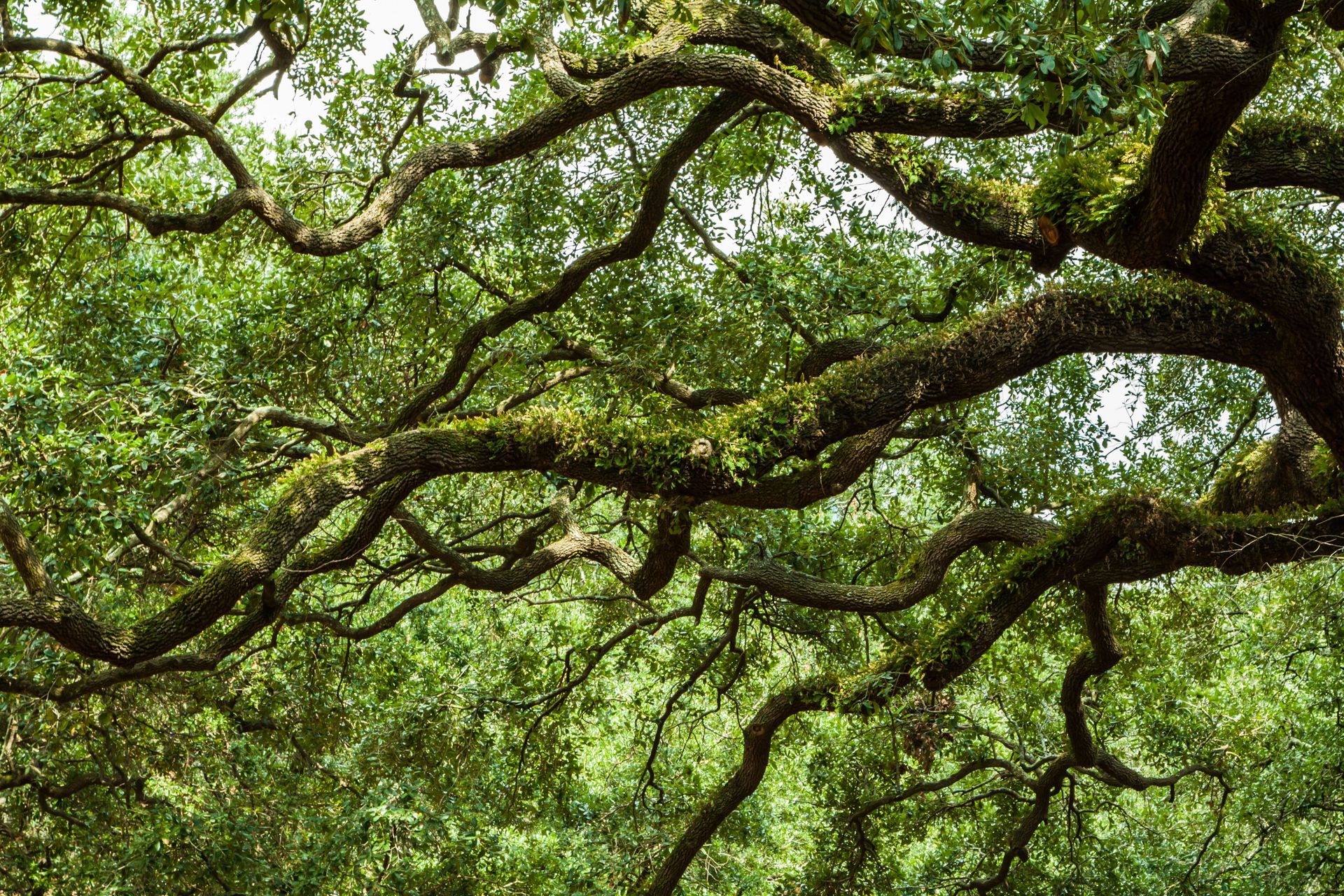
Trees that demonstrate rapid or unusual growth patterns may require professional attention. Branches growing too close to structures or utility lines can create safety concerns and may indicate that the tree has become too large for its current surroundings. Excessive growth can also make a tree appear unbalanced or overgrown, particularly when branches extend well beyond the desired canopy.
When branches extend toward structures or utility lines, tree trimming or crown reduction may help address concerns related to the tree's size and spread. Raising the tree canopy is another available service that can improve sunlight penetration and air circulation. Regular tree care can help maintain an appropriate shape while addressing branches that have become hazardous or interfere with surrounding areas.
Unusual growth can also be addressed through specialized pruning. Fruit tree pruning can support healthy growth and fruit production, while ornamental pruning can maintain the desired shape and appearance of ornamental trees and shrubs. Addressing excessive or poorly positioned growth can help property owners maintain trees according to their specific needs and surroundings.
4. The Effects of Storm Damage and Tree Hazards
Storms and other severe weather events can leave trees and branches damaged or unstable. Broken limbs, dangerously leaning trees, and trees that have fallen onto property can create immediate hazards. Lightning can also cause visible damage that warrants professional attention, making an assessment or tree services appropriate when a storm changes the condition of a tree.
Storm damage can leave trees unstable or create hazardous branches that require prompt attention. Large branches hanging precariously after a storm, lightning-struck trees with visible damage, dangerously leaning trees, and trees that have fallen on homes or vehicles are examples of emergency situations identified by the company. When weather damage creates an immediate hazard, emergency tree removal can address the situation and help restore safe access to affected areas.
Emergency tree services can also be appropriate when a fallen tree blocks a driveway or road or when a tree has become dangerous because of soil erosion or other sudden changes. Prompt attention can help address immediate hazards and prevent an unstable tree or branch from creating additional problems for the surrounding property. Professional tree services can help property owners address storm-related concerns when immediate tree removal is needed.
5. The Risks of Trees Near Structures and Power Lines
Trees that grow too close to structures or power lines can require professional attention. The tree's size, branch placement, and overall condition may need to be evaluated when growth begins to interfere with surrounding areas. Trees that have become too large or are interfering with structures or power lines may be candidates for crown reduction.
Crown reduction can reduce the height and spread of a mature tree while maintaining its natural form and health. Tree trimming can also address hazardous or overgrown branches and help manage the tree's shape. An aerial tree inspection can provide a closer look at portions of a tree that are difficult to assess from the ground.
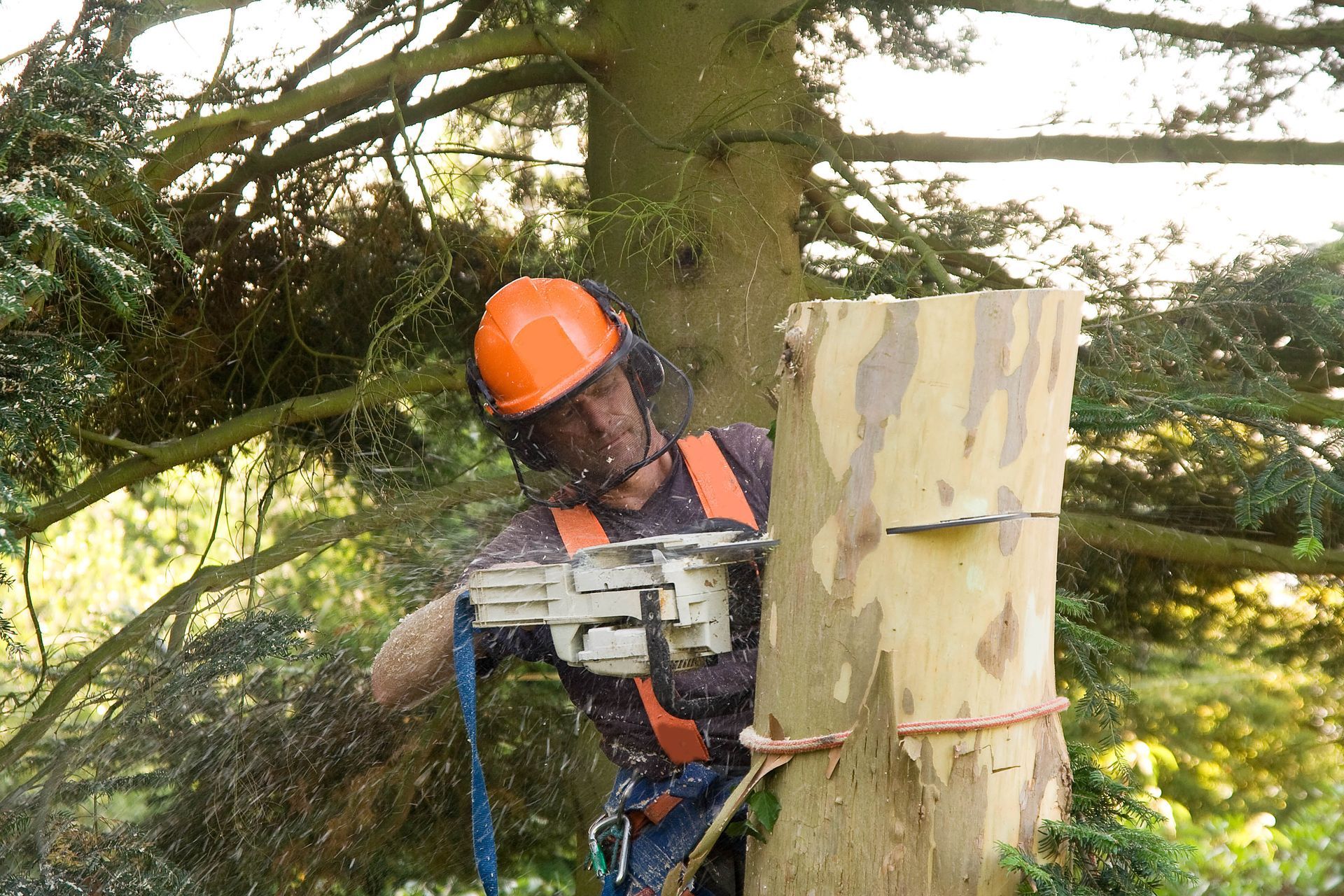
When a tree's condition or location creates a more serious hazard, tree cutting, tree felling, or tree removal may be appropriate. Addressing trees that are growing toward structures or power lines can help property owners identify potential concerns and determine which available service best fits the situation. Professional tree services can address these concerns through appropriate trimming, cutting, or removal.
6. The Effects of Overgrown or Unbalanced Trees
Overgrown trees can affect the appearance and balance of a landscape while also creating concerns related to branch placement and overall tree structure. Professional tree care can address excessive growth, dead branches, and unwanted changes in a tree's shape. Removing deadwood, trimming overgrown branches, or reducing the size of a mature canopy can help maintain a more appropriate appearance.
Restoring a tree's shape can also be an important part of routine tree care. Ornamental pruning is specifically intended to enhance the natural beauty of ornamental trees and shrubs, promote healthy growth patterns, and maintain their desired shape. Crown reduction can help manage the size and spread of mature trees while addressing concerns related to structures or power lines, and raising the tree canopy can also improve sunlight penetration and air circulation around the tree.
Specialized pruning can address different types of tree growth and landscape needs. Fruit tree pruning can support healthy growth and fruit production, while ornamental pruning can maintain the appearance and desired form of ornamental vegetation. Bush trimming and removal can also address overgrown shrubs and bushes when they have become difficult to maintain, providing another option within the company's tree services.
Recognizing signs of tree health concerns, structural problems, unusual growth, storm damage, or interference with structures can help property owners determine when professional tree care may be needed. From specialized pruning and aerial inspections to tree removal, stump services, and emergency response, the right service can address a variety of tree-related concerns. To explore available options for your property, learn more about the services provided by The Tree Surgeon.