September 23, 2026
Maintaining vibrant, robust foliage across your residential property enhances natural aesthetic appeal, provides essential summer shade, and elevates overall property desirability. Mature branches and majestic canopies represent significant living assets that require ongoing attention, thoughtful cultivation, and defensive protection against environmental stresses. Many property owners overlook routine maintenance until severe storm conditions or advanced disease create immediate hazards, leading to broken limbs, structural damage, or premature plant mortality. Implementing proactive management strategies preserves structural stability and ensures that your landscape flourishes through changing seasonal conditions throughout every month of the year. Establishing sound routines protects your surrounding home infrastructure, outdoor living spaces, and family safety from unexpected branch failures or falling debris. By adopting structured practices early, you safeguard your landscape investment while fostering ideal conditions for long-term canopy development. Investing time into routine tree care provides long-term peace of mind, transforming complex outdoor maintenance into manageable, rewarding home stewardship.
1. Conducting Regular Visual Inspection Routines
Routine visual evaluations serve as your primary defense against subtle health declines and developing structural vulnerabilities. Walking your property during different seasons allows you to observe subtle changes in leaf color, canopy density, bark integrity, and root conditions. Look closely for unusual leaf discoloration, premature leaf drop, oozing sap, fungal growth, or deep vertical cracks along main trunk lines. Early detection of pest infestations or fungal pathogens prevents minor issues from spreading throughout your surrounding yard. Furthermore, inspecting structural framework after major windstorms or heavy winter precipitation helps identify cracked limbs, dangling branches, or compromised soil stability near the base. Catching structural defects early allows for targeted interventions before entire branch structures collapse onto nearby power lines, roofs, or parked vehicles. Prioritizing routine tree care inspections empowers homeowners to address developing hazards proactively before significant structural damage occurs across property boundaries.
2. Practicing Proper Pruning and Trimming Techniques
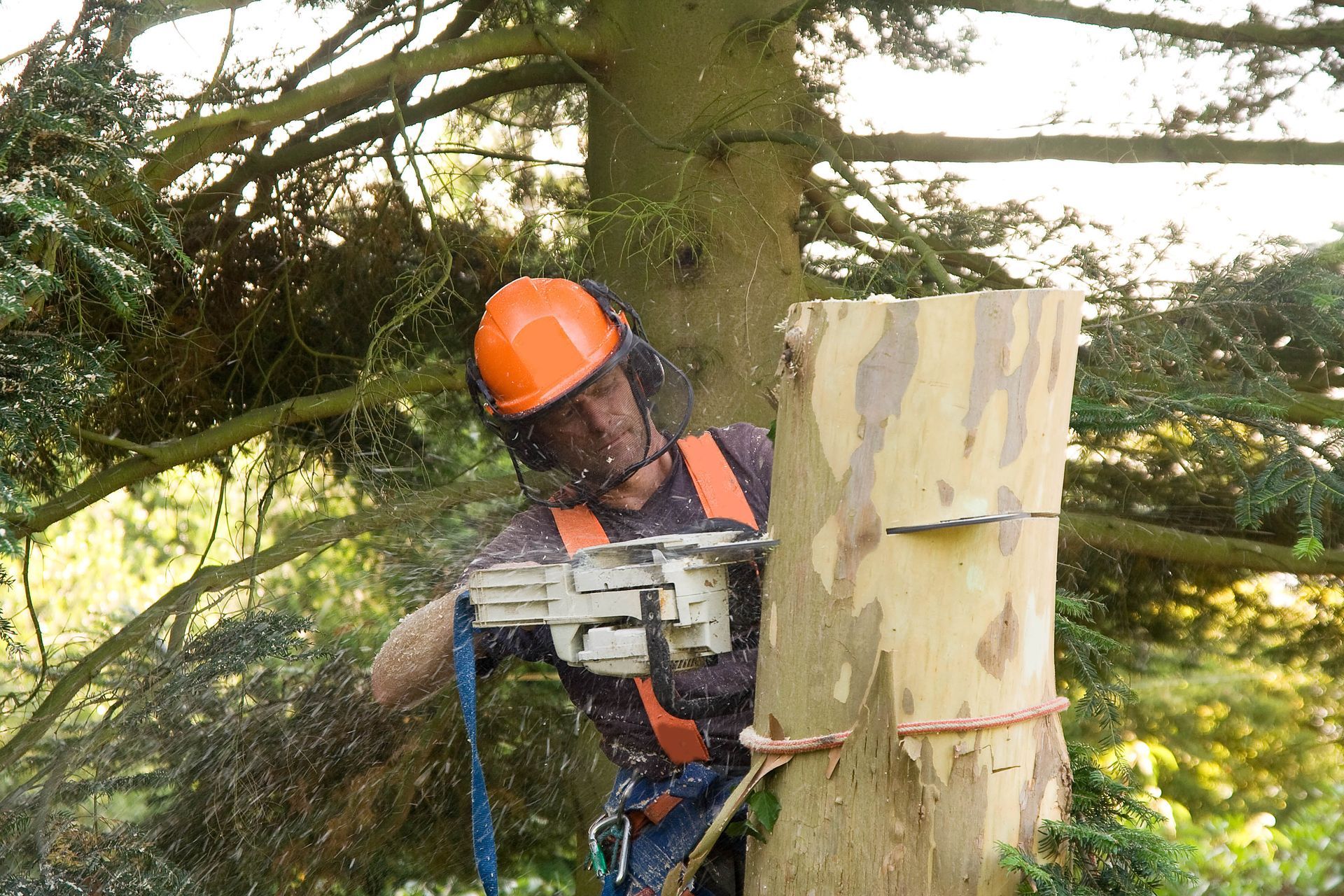
Strategic structural pruning is vital for establishing strong branch architecture, improving airflow, and encouraging healthy sunlight penetration throughout inner canopy layers. Removing dead, diseased, or crossing branches eliminates entry points for aggressive wood-boring insects and decay fungi. Proper pruning cuts must be executed just outside the branch collar to promote natural wound closure without leaving unsightly stubs or damaging trunk bark. Avoid excessive crown thinning or topping, as removing too much foliage severely stresses the plant, forcing rapid production of weak, hazardous sprouts. According to Coherent Market Insights, worldwide consumer spending on home tree care and maintenance is projected to reach $17.01 billion in 2026, highlighting the expanding global emphasis on maintaining urban greenery safely and professionally. Timely pruning prevents heavy, overextended limbs from tearing away during severe weather events, protecting both the living organism and nearby property structures. Committing to sound care through correct pruning practices ensures optimal health and structural longevity for decades to come.
3. Applying Mulch Correctly Around Base Areas
Mulching provides extraordinary benefits for root health by conserving soil moisture, regulating root zone temperatures, suppressing competitive weeds, and adding valuable organic matter as it decomposes over time. However, proper application technique is crucial to avoid unintended moisture damage or fungal growth. Spread a uniform layer of coarse organic mulch, such as shredded bark or wood chips, around the drip line of the plant. Crucially, avoid piling mulch directly against the main trunk, a widespread mistake often referred to as volcano mulching. Excess moisture trapped against trunk bark encourages fungal decay, bark rot, and insect infestations that can ring the base and starve the upper canopy. Keeping mulch pulled back away from the root flare allows essential gas exchange while preserving vital soil moisture underneath. Integrating proper mulching into your annual tree care schedule creates an ideal root environment that supports vibrant spring growth and drought resilience.
4. Providing Consistent Hydration During Dry Spells
Water stress is a primary contributor to physiological decline, making adequate hydration essential during extended heat waves or prolonged dry periods. Young, newly planted specimens require frequent, deep watering to establish expansive root systems, while mature foliage benefits from periodic deep soaking that penetrates deep into the soil profile. Shallow, frequent surface sprinkling encourages weak, surface-level rooting that leaves plants vulnerable to drought and strong wind stress. Delivering water slowly around the outer canopy boundary ensures deep root absorption where active feeder roots reside. Applying water during early morning hours minimizes evaporation loss, ensuring maximum absorption before summer temperatures peak. Protecting root systems against severe dehydration maintains vascular movement, allowing essential nutrients to travel freely from soil to leaf margins. Incorporating deep hydration into your seasonal tree care routine builds natural resistance against environmental stressors and pest invasions.
5. Protecting Soil Quality and Preventing Root Compaction
Healthy foliage begins below the surface, where vast root networks rely on porous, uncompacted soil for oxygen, water, and essential nutrient uptake. Heavy foot traffic, parked vehicles, heavy construction equipment, and routine lawn compaction crush tiny soil air pockets, suffocating roots and restricting root expansion across property grounds. Soil compaction severely limits natural water infiltration, causing surface runoff instead of deep root nourishment. Aerating compacted lawn areas around root zones helps restore vital soil pore space, improving root respiration and microbial activity underneath. Avoid heavy soil excavation, regrading, or heavy machinery movement beneath the canopy drip line to prevent damaging vital structural roots. Furthermore, maintaining balanced soil biology by avoiding excessive chemical applications preserves beneficial mycorrhizal fungi that assist roots in absorbing essential minerals. Protecting soil integrity as part of your overall tree care management strategy provides the foundational nutrition necessary for robust, upright canopy growth for decades to come.
6. Scheduling Professional Health Assessments Periodically
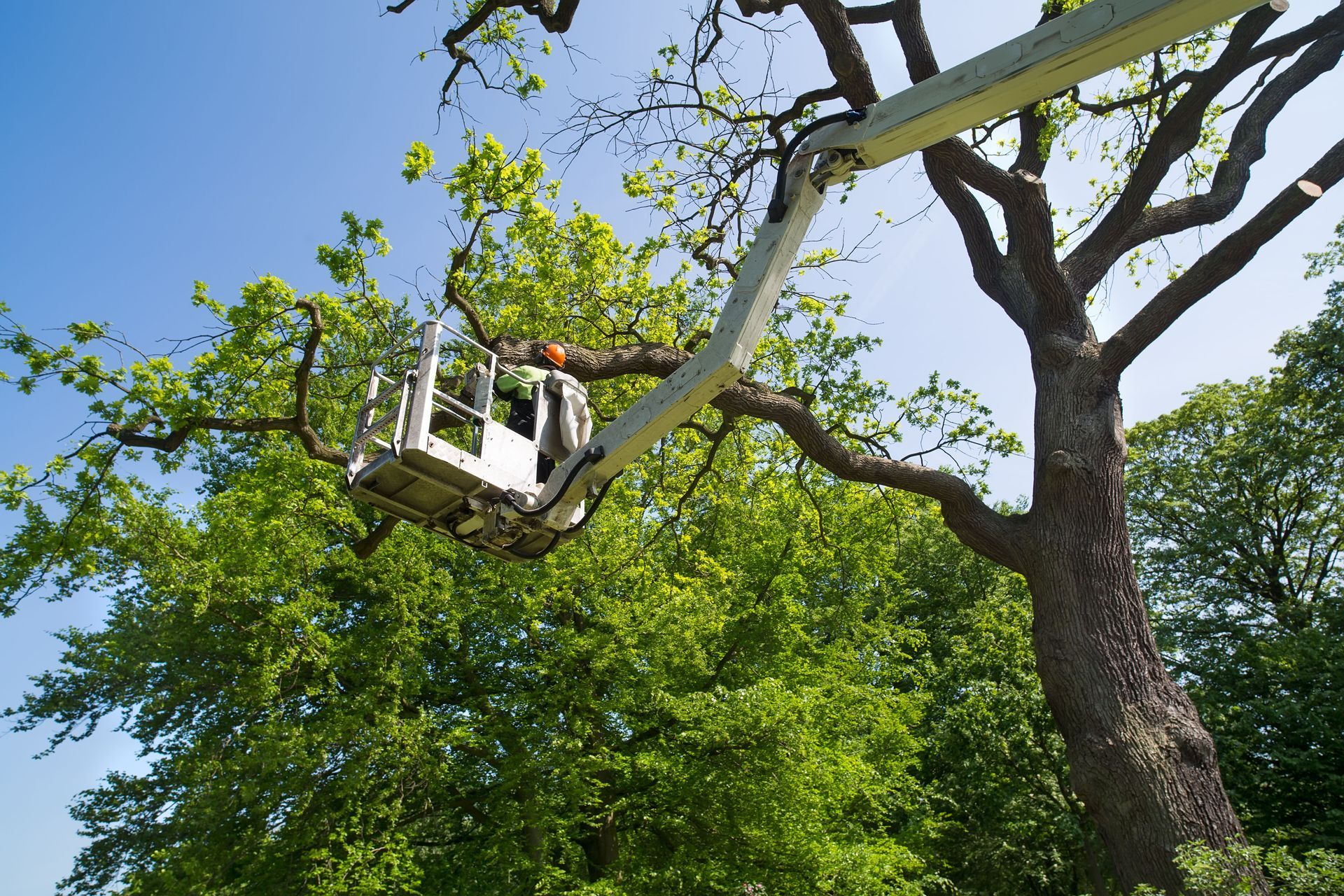
While routine homeowner observations are invaluable, partnering with certified arborists provides expert technical analysis for complex health and safety concerns. Experienced specialists utilize diagnostic tools to evaluate internal trunk decay, analyze soil chemistry, identify obscure pathogens, and assess high-altitude canopy risks accurately. Professional climbing and rigging techniques allow safe removal of hazardous limbs situated directly above residential structures, power lines, or active utility corridors. Furthermore, professional arborists can implement specialized soil injections, systemic pest treatments, and custom support cabling systems that preserve historic or high-value specimens on your property. Having certified experts evaluate your landscape periodically ensures that subtle structural defects or hidden root issues are diagnosed accurately before catastrophic failures occur during severe storms. Relying on professional guidance for complex maintenance tasks guarantees that activities are performed safely, effectively, and in full compliance with industry standards.
Fostering resilient, stunning foliage requires dedicated attention, proper cultural practices, and timely maintenance interventions throughout every season of the year. By incorporating visual inspections, proper pruning methods, correct mulching, adequate hydration, soil protection, and professional health assessments, you establish a solid foundation for long-term landscape success. Proactive management prevents costly property damage, eliminates hazardous conditions, and enhances the natural beauty of your outdoor environment. Caring for your landscape is an ongoing commitment that yields lasting environmental benefits and elevated property value for years to come. Consistent effort ensures that your grounds remain a vibrant, healthy sanctuary for your family to enjoy. Taking these proactive measures today safeguards your living investment against the elements for generations.
If you are ready for professional tree care assistance and exceptional landscape preservation, contact us at The Tree Surgeon today. We will help you maintain your green assets safely and keep your outdoor spaces looking vibrant for years to come.