July 17, 2026
Maintaining the physical health and structural stability of your residential landscape requires a proactive tree care strategy and specialized arboricultural knowledge. While many homeowners view yard maintenance as a purely cosmetic chore, large shade trees require structural guidance to survive intense storms and urban environmental pressures. Without proper developmental steering, young and mature canopy species can easily develop dangerous structural defects, including codominant stems, weak crotches, and unbalanced weight distributions. Fortunately, certified arborists utilize specialized pruning methods to guide growth patterns, isolate potential decay points, and strengthen the overall wood fiber network. Partnering with professional local tree services ensures your valuable green assets remain vibrant.
Establishing a Strong Single Dominant Leader
Developing a central trunk is the absolute foundation of long-term structural integrity for most deciduous shade species in your yard. When young plants grow without intervention, they frequently develop multiple competing upward stems that split the main trunk's structural energy. These competing branches form weak, narrow unions that are highly prone to splitting apart during high wind events or heavy winter ice storms. Professional local tree services mitigate this structural risk by identifying the strongest central upright stem and carefully suppressing the growth of competing secondary branches. This precise pruning strategy directs essential nutrients into a single dominant leader, creating a thick, solid main trunk.
Spacing Main Scaffold Branches Uniformly
Arranging lateral limbs symmetrically along the vertical trunk prevents structural imbalances that can cause a tree to lean or tip. When too many massive branches grow close together at the same level, they compress the surrounding bark, creating a structurally weak zone. Experienced arborists analyze the vertical spacing of main scaffold limbs, selecting a staggered pattern that distributes physical weight evenly along the trunk. When you hire qualified local tree services to manage branch spacing, they remove competing limbs early in the tree's life cycle. This proactive spacing allows each limb to build a thick, secure wood attachment point.
Eliminating Dangerous Codominant Stem Formations
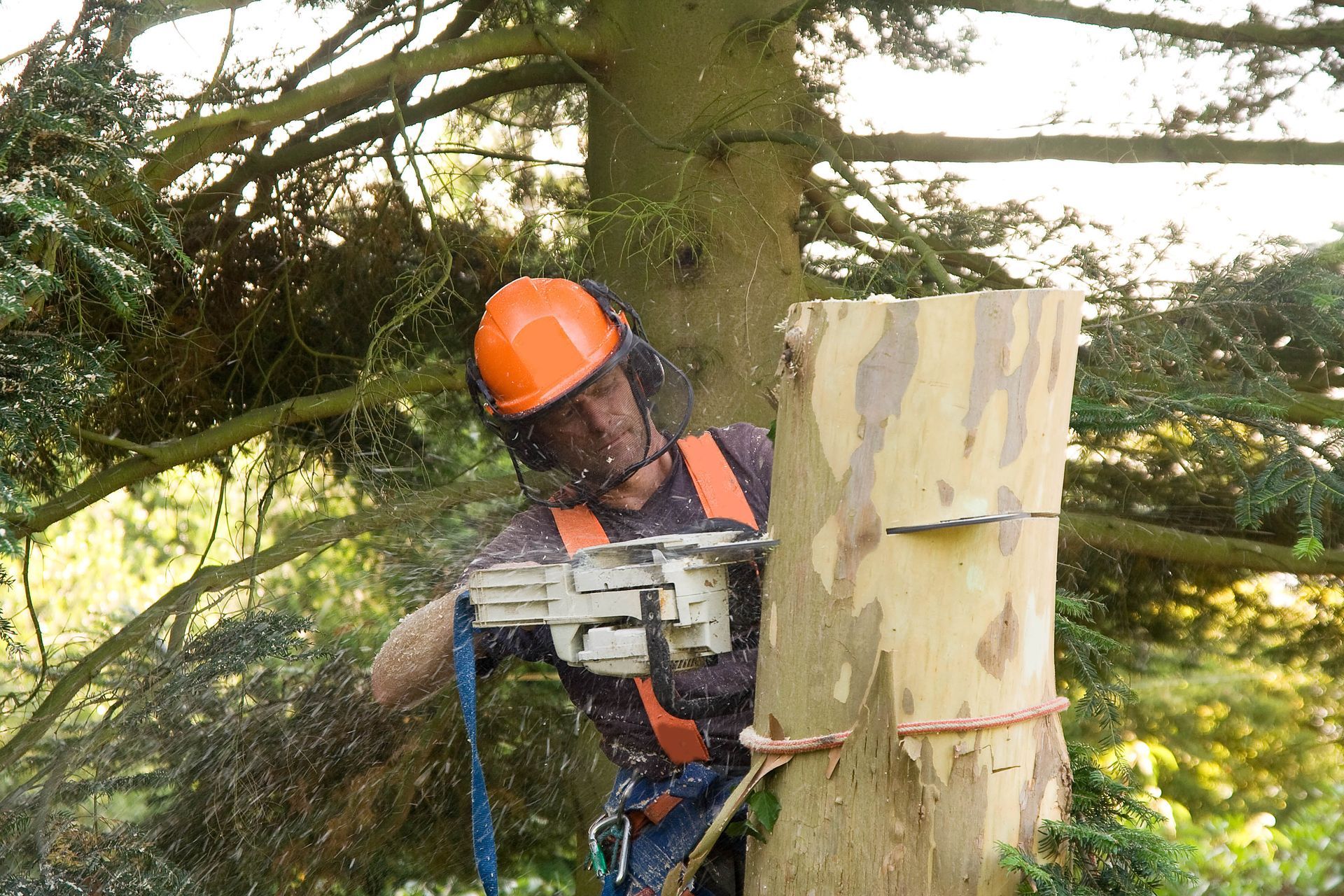
Splitting a single trunk into two equal-sized main stems creates one of the most hazardous structural defects in urban forestry. As codominant stems grow larger, they press against each other, creating included bark that prevents the wood fibers from fusing. This lack of structural fusion makes the plant highly vulnerable to splitting down the middle during severe summer thunderstorms. Fortunately, technicians from reputable local tree services use specialized reduction cuts to slow down the growth of one competing stem. This careful management allows the other stem to become dominant, eliminating the structural splitting hazard and securing the canopy.
Enhancing Canopy Wind Filtration Patterns
Thinning out overly dense leaf canopies allows strong winds to pass through the branch network harmlessly rather than catching like a solid sail. When a canopy is too thick, high winds exert immense physical pressure on the trunk and root system, increasing the likelihood of uprooting. Certified arborists selectively remove crowded secondary branches to improve internal airflow without compromising the tree's natural shape. According to WifiTalents, proper pruning can increase a tree's lifespan by up to 25%. This substantial boost in longevity occurs because reduced wind resistance prevents catastrophic limb failures and minimizes mechanical stress on load-bearing wood.
Removing Dead and Diseased Wood Safely
Clearing away decaying, broken, or infected limbs prevents harmful pathogens from spreading into the healthy sections of the trunk. Dead branches serve as open gateways for wood-boring insects, fungi, and bacterial infections that can rot the heartwood from the inside out. When local tree services perform regular crown cleaning, they make clean, precise cuts just outside the branch collar to promote natural healing. This clean cutting technique allows the tree to compartmentalize the wound quickly, sealing out decay-causing organisms. Removing these dead zones stops decay from spreading, ensuring the main trunk remains solid.
Balancing Structural Weight on Uneven Canopies
Correcting lopsided growth patterns prevents heavy limbs from exerting excessive leverage on one side of the root system. Trees often grow unevenly when seeking sunlight, stretching long, heavy branches over roofs, driveways, or adjacent properties. This off-center weight distribution creates immense tension on the opposite roots, making the entire plant unstable during heavy rainstorms. Utilizing experienced local tree services to balance the canopy involves strategic reduction cuts that shorten overextended limbs without stopping healthy growth. Rebalancing the physical weight distribution keeps the trunk perfectly upright, protecting your home and preventing root failure.
Improving Interior Light Penetration Levels
Opening up dense outer leaf canopies allows sunlight to reach the lower interior branches and ground-level grass. When outer foliage blocks all sunlight, interior leaves wither, causing inner branches to die and leaving the center barren. This interior dieback reduces the tree's overall capacity to perform photosynthesis, weakening its immune system and making it susceptible to pests. Working with local tree services to open up the canopy ensures that sunlight filters through all levels of the structure. This increased light exposure keeps inner branches active, promoting healthy growth throughout the entire system.
Mitigating Risk Near High-Voltage Utility Lines
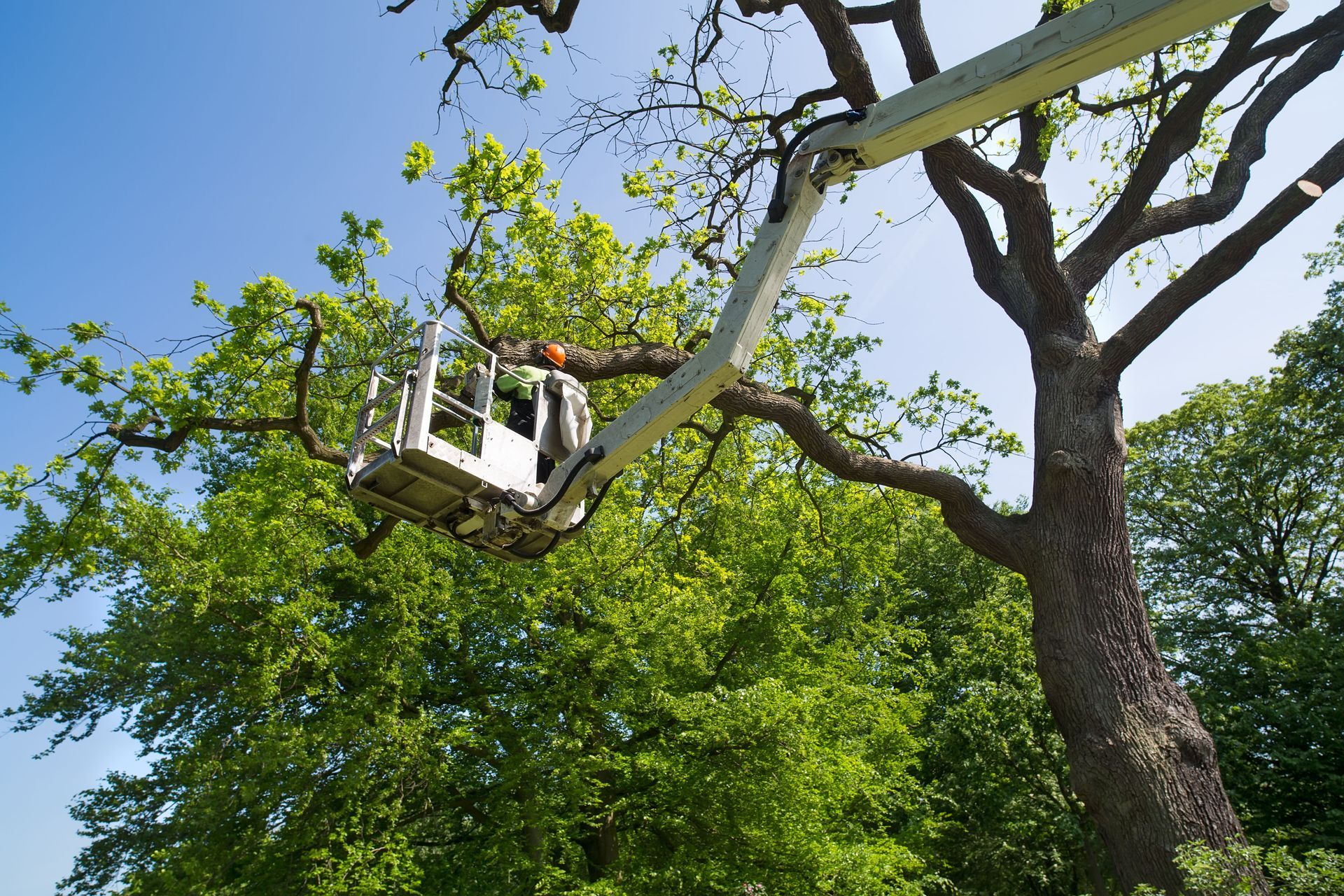
Managing growth patterns near overhead power lines, service drops, and physical structures is critical for maintaining community safety and utility service. When branches rub against active electrical wires, they create severe fire hazards, shock risks, and localized power outage potential. Arborists use specialized directional pruning techniques to guide new growth away from utility lines without destroying the natural canopy shape. This structural guidance redirects limb development toward safe, open spaces in your yard. Relying on professional tree services for this clearance work keeps your property safe while ensuring your trees remain healthy.
Promoting Proper Wound Compartmentalization Techniques
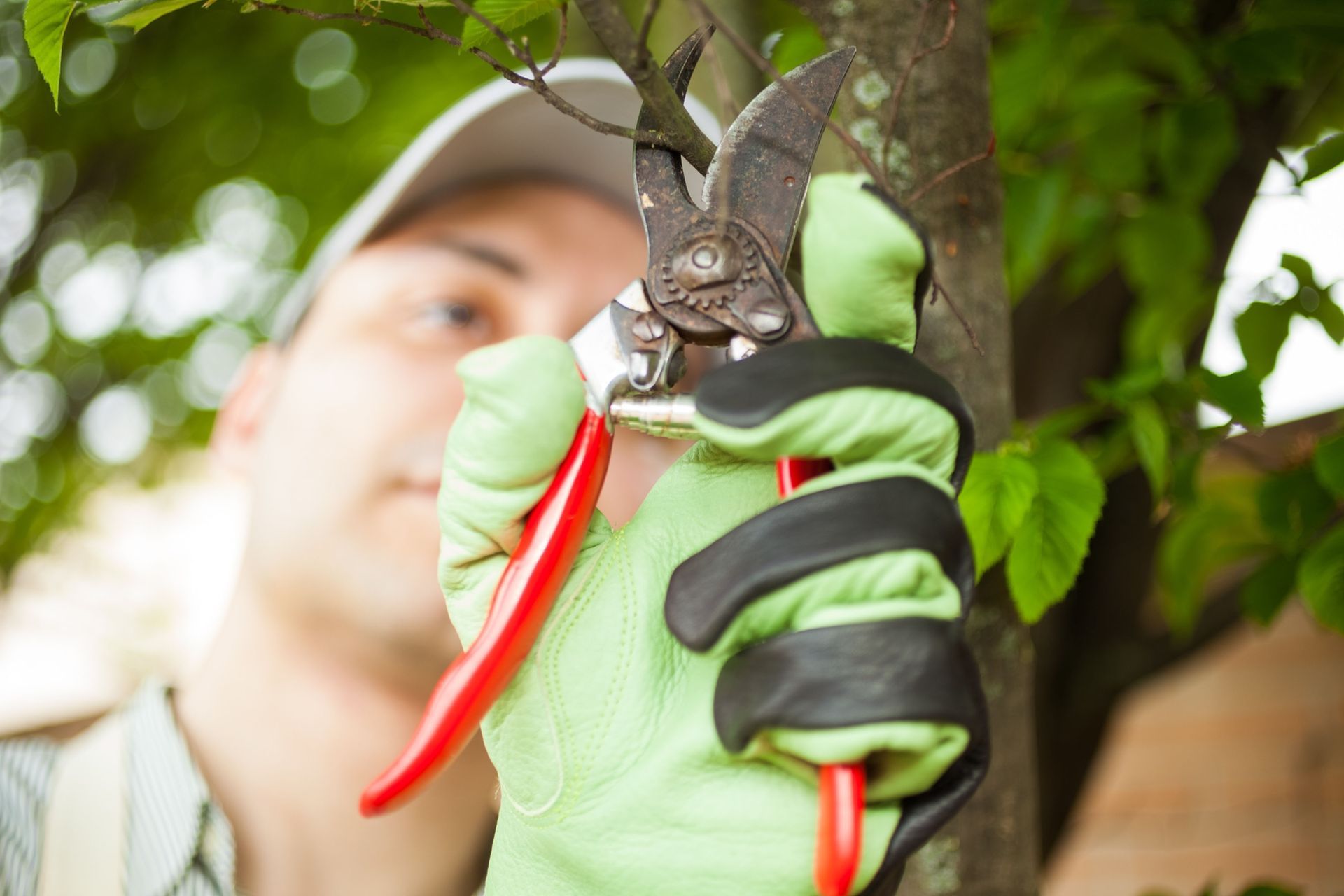
Cutting branches correctly is essential for allowing the tree to heal itself through its natural defense mechanisms. Trees do not heal damaged tissue; instead, they compartmentalize wounds by growing specialized callus tissue over the cut area. Making flush cuts too close to the trunk damages the branch collar, disrupting this natural healing process and introducing decay. Certified crews make precise cuts at the correct angle, preserving the branch collar so the protective wood can seal the wound. This professional cutting technique ensures rapid closure, preventing fungal pathogens from colonizing the interior wood.
Inspecting Root Flare Exposure Issues
Analyzing the soil level around the base of the trunk is a critical step in preserving structural stability. When landscaping mulch is piled high against the trunk, it traps moisture against the bark, causing rot and encouraging girdling roots. Girdling roots wrap tightly around the base of the trunk, cutting off the flow of nutrients and choking the tree over time. Arborists expose the natural root flare and remove these self-destructive roots before they cause permanent damage. Correcting these soil-level issues ensures your root system remains strong, keeping your tree firmly anchored in the ground.
Assessing Canopy Health Through Seasonal Diagnostics
Scheduling regular health evaluations allows certified professionals to identify subtle structural issues before they become expensive safety hazards. Because trees shift and grow continuously, seasonal storms, soil compaction, and insect pressures can weaken load-bearing limbs over time. Arborists use specialized tools like resistance drills and sonic tomography to inspect the interior wood density of large, mature trees. This advanced diagnostic testing helps tree services identify hollow sections or internal decay hidden beneath healthy bark. Finding these structural issues early allows for timely pruning or cabling interventions, protecting your property.
Investing in professional canopy management is the most effective method for preserving your landscape's beauty, safety, and monetary value over time. From establishing a strong central leader in young saplings to removing decaying limbs from mature specimens, proper structural pruning prevents catastrophic failures. Neglecting these essential maintenance tasks invites decay, structural splits, and storm damage that can destroy decades of growth in minutes. By partnering with certified tree services, you ensure that every cut is made with scientific precision, helping your trees grow strong and live long, healthy lives. Are you seeking professional local tree services in the Omaha, NE metro area? Look no further than the tree-care experts at The Tree Surgeon! Call today to request a service estimate.