October 20, 2026
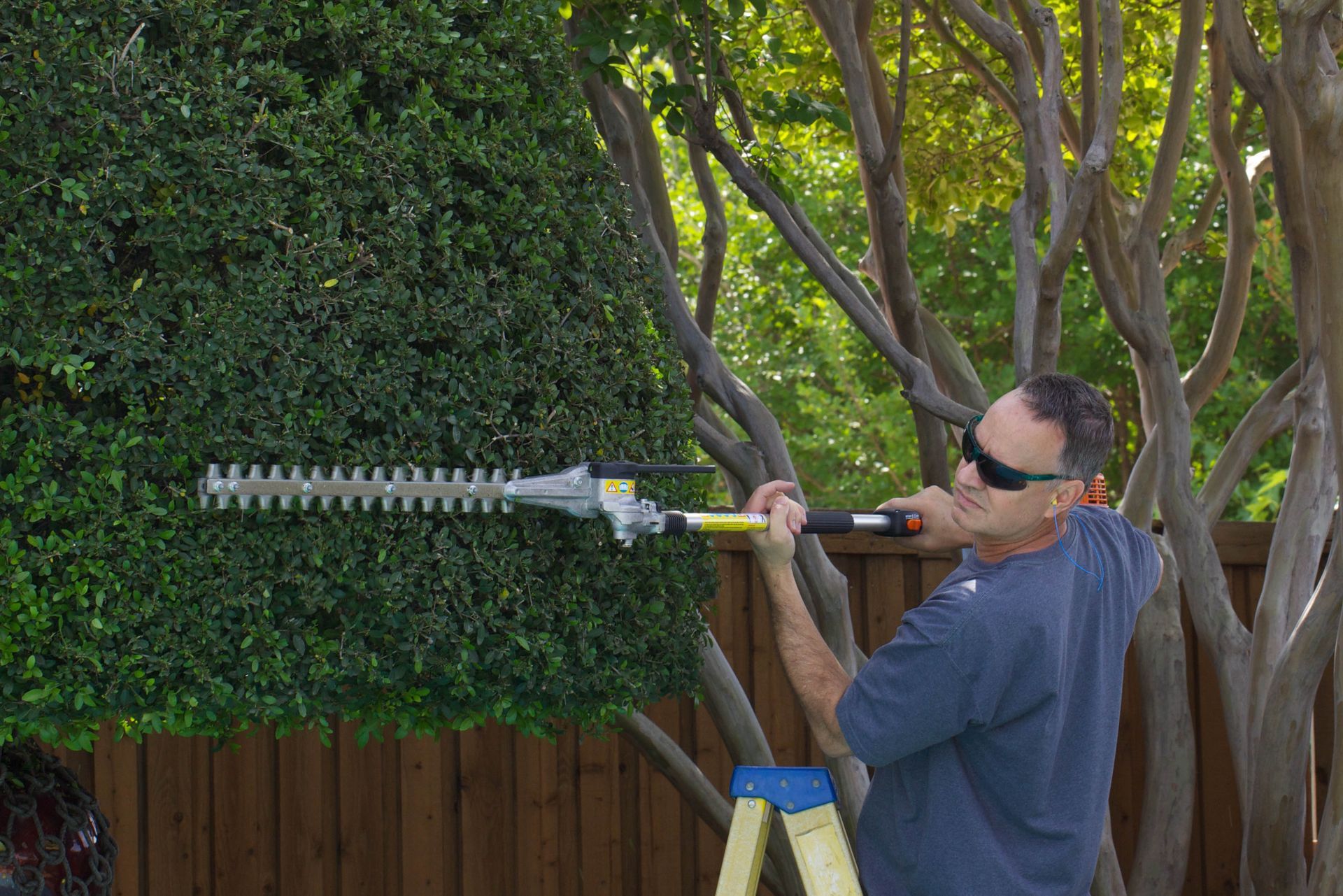
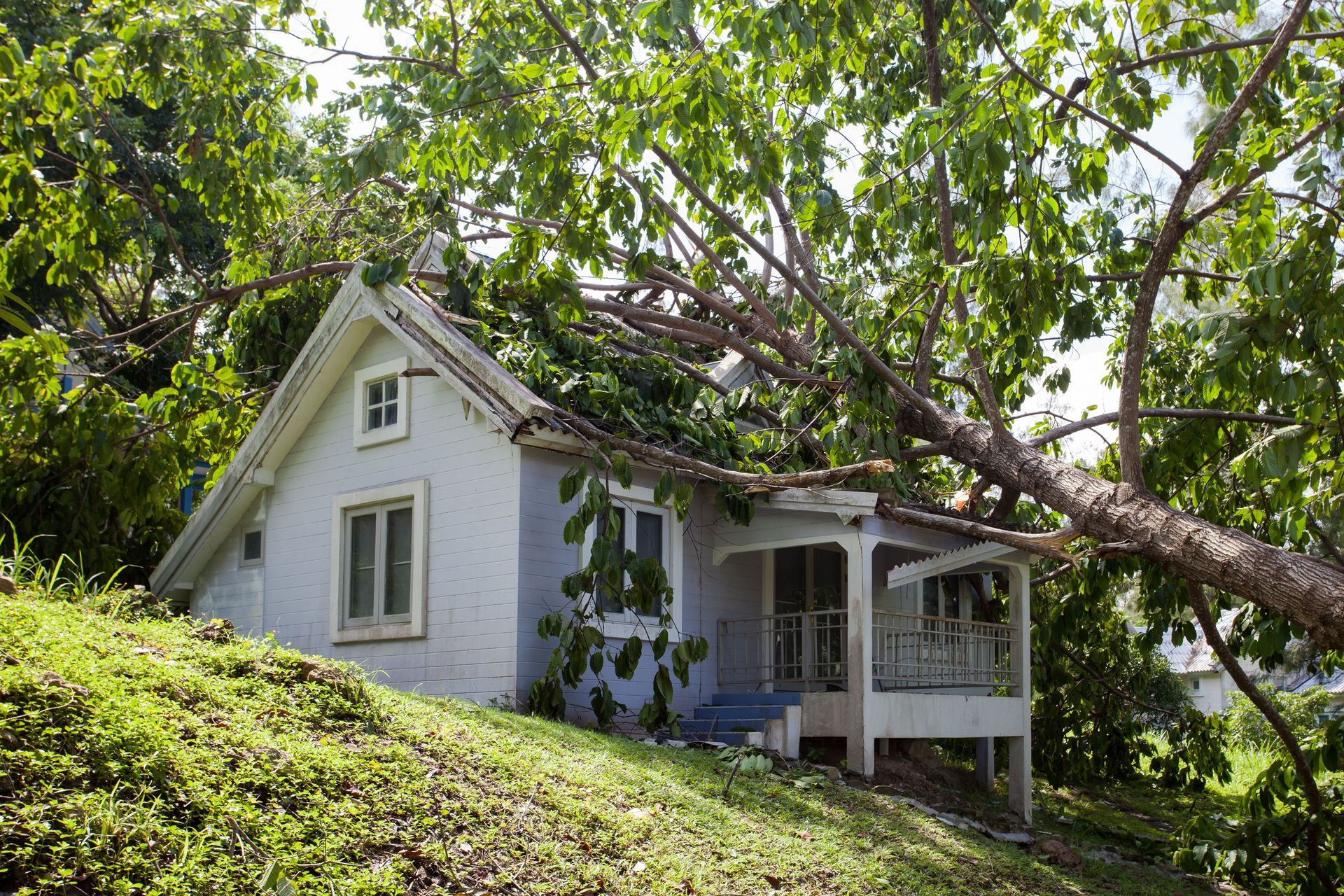
Trees provide shade, improve curb appeal, and contribute to a property's overall character. However, maintaining healthy trees requires proper care, particularly when branches become overgrown, disease develops, or storm damage creates potential hazards. Knowing when to seek professional assistance can help property owners protect their landscapes and avoid preventable damage. Choosing the right provider involves more than comparing prices. Experience, insurance coverage, safety practices, and clear communication all influence the quality of the results. Asking thoughtful questions before hiring a tree service helps homeowners understand their options and establish realistic expectations for the work.
Every property has different landscaping needs, and the right solution depends on the condition of the trees, their location, and the surrounding environment. Some situations require routine pruning, while others involve hazardous limbs, significant structural damage, or complete removal. Evaluating a company's qualifications and approach before approving a project can help homeowners make informed decisions and protect their investments.
1. What Experience and Qualifications Does the Company Have?
Experience is an important consideration when evaluating a tree care provider. Tree work can involve climbing, chainsaws, heavy machinery, overhead branches, and unpredictable environmental conditions. A qualified professional should understand how different tree species grow, how to recognize structural weaknesses, and which maintenance methods suit specific situations. Asking about relevant experience helps homeowners determine whether a provider can handle the property's particular needs.
Professional credentials can offer additional insight into a company's knowledge and commitment to industry standards. Homeowners may ask whether workers hold relevant arboriculture certifications, receive ongoing training, or follow established tree care practices. Certifications do not automatically guarantee excellent workmanship, but they can demonstrate specialized education and a commitment to professional development.
It is also helpful to ask whether the company has completed projects similar to the one being considered. Removing a hazardous tree near a house requires different planning from pruning ornamental trees in an open yard. A provider familiar with comparable projects may be better prepared to anticipate challenges, explain the process, and recommend an appropriate course of action.
2. Does the Company Carry Insurance and Follow Safety Standards?
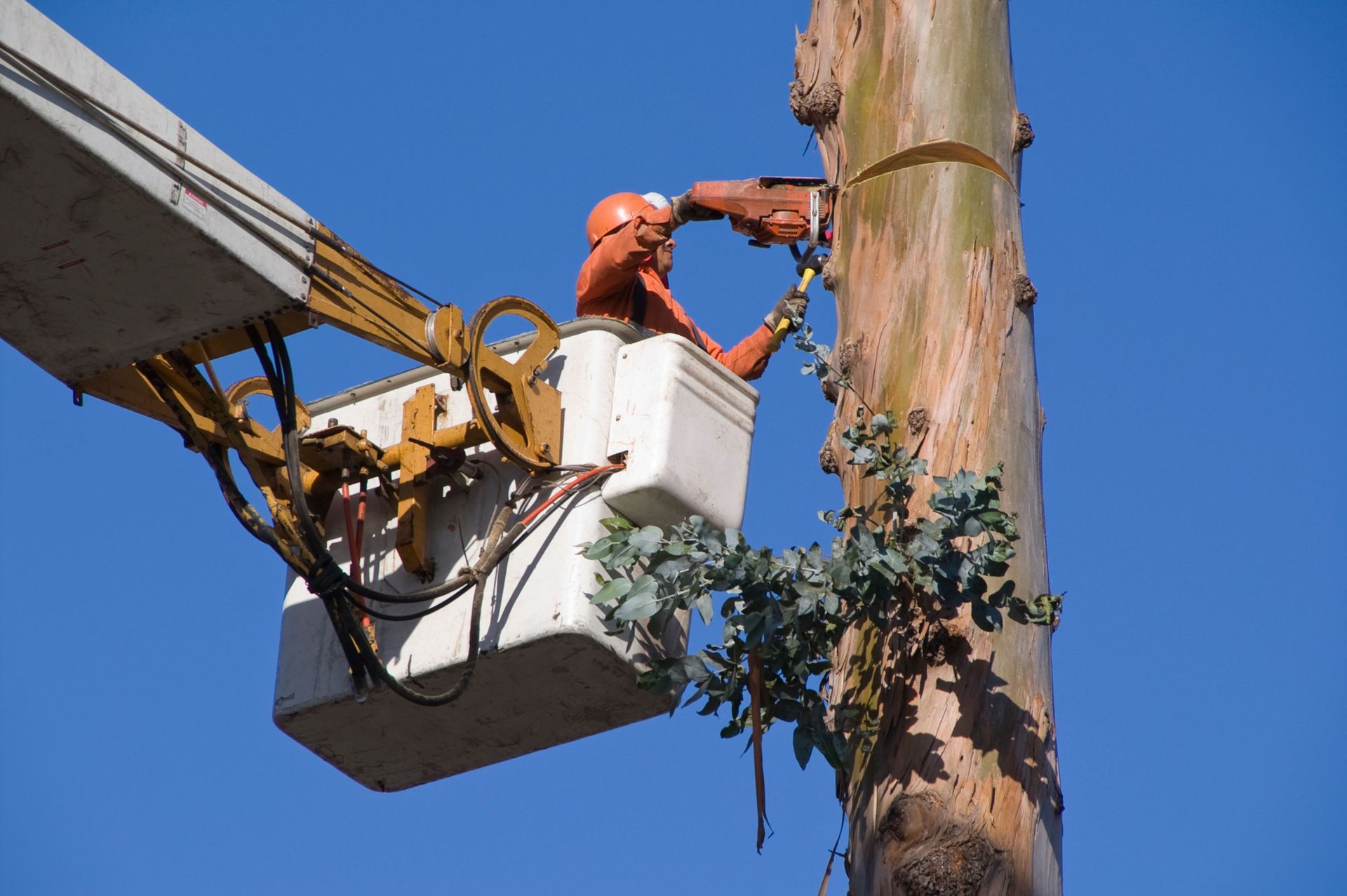
Tree maintenance and removal can present substantial risks to workers, property owners, and neighboring structures. Falling limbs, unstable trunks, power lines, and heavy equipment all require careful management. Before hiring a tree service, property owners should ask about liability insurance and workers' compensation coverage where applicable.
Safety practices deserve just as much attention as insurance. A professional provider should be prepared to explain how crews evaluate hazards, establish work zones, protect nearby structures, and manage debris. Projects involving unstable trees or difficult access may require specialized equipment and additional precautions. Clear answers can help homeowners understand whether the company takes a systematic approach to reducing risk.
Homeowners should also discuss how the crew handles unexpected complications. Weather changes, hidden decay, nearby utility lines, and unstable branches can affect a project's original plan. A responsible provider should explain how such issues may influence the work and communicate necessary adjustments before proceeding whenever practical. These conversations establish expectations and demonstrate that safety remains a priority throughout the project.
3. What Services Are Included in the Estimate?
Understanding the proposed scope of work helps homeowners compare estimates accurately. Tree care providers may offer pruning, trimming, removal, stump grinding, storm damage cleanup, and other services. However, not every estimate automatically includes each task. A written proposal should describe the work to be completed, identify relevant limitations, and explain whether additional services will require separate charges.
Pricing can vary according to tree size, accessibility, condition, location, and the complexity of the work. According to This Old House, removing a tree taller than 30 feet generally costs more than removing a smaller one because larger trees can require specialized equipment, present greater safety risks, and generate more debris. Understanding these factors helps homeowners evaluate estimates in context rather than choosing a provider based exclusively on the lowest price.
Homeowners should ask whether cleanup, hauling, stump removal, and disposal are included. Some companies may leave cut wood on the property unless removal is specifically requested. Others may offer additional options, such as cutting usable wood into manageable pieces.
It is also wise to ask how long the estimate remains valid and whether unforeseen conditions could affect the final cost. Hidden damage, difficult access, or changes to the requested work may influence pricing. Understanding how adjustments are communicated makes budgeting easier and reduces the likelihood of disagreements after the project begins.
4. How Will the Company Protect the Property?
Tree work can affect lawns, garden beds, fences, driveways, outdoor furniture, and nearby buildings. Before approving a project, homeowners should ask how the crew plans to protect the surrounding landscape. Depending on the site, precautions might include using designated equipment access routes, positioning protective materials, controlling where branches fall, and establishing restricted areas around the work zone.
The company's approach should account for the condition and location of the tree. Branches extending over a roof or growing close to a fence may require careful sectional removal instead of allowing large limbs to fall freely. Trees near utility lines may also require coordination with the appropriate utility provider or qualified personnel. Discussing these circumstances beforehand gives homeowners a clearer understanding of the proposed work methods.
Property protection includes what happens after the cutting is finished. Branches, wood chips, sawdust, and other debris can affect the appearance and usability of the yard. Asking about cleanup procedures helps establish whether the crew will remove the material, grind the stump, or leave selected wood behind.
Access is another practical consideration. Equipment may need to travel across a driveway, lawn, or narrow side yard to reach the work area. Discussing access requirements beforehand allows the company to plan its approach and helps homeowners move vehicles, secure outdoor belongings, and prepare the property appropriately.
5. What Recommendations and Maintenance Plans Does the Company Offer?
A professional assessment should consider the tree's condition and the homeowner's goals rather than automatically recommending removal. Some trees may benefit from selective pruning, while others could require monitoring, structural support, or further evaluation. Asking why a particular treatment is recommended helps property owners understand the reasoning behind the proposed solution and determine whether it addresses the underlying concern.
A knowledgeable provider should explain the potential benefits and limitations of different approaches. For example, removing dead branches may reduce certain hazards, while correcting competing growth can improve a tree's structure when performed appropriately. Severe decay, root damage, or significant structural instability may require a different response. Recommendations should reflect the individual tree, its surroundings, and the risks identified during the assessment.
Ongoing maintenance can help homeowners manage their landscapes more effectively. Periodic inspections, appropriate pruning, and attention to changes in tree health may reveal developing concerns before they become more serious. When discussing a maintenance plan, homeowners should ask which tasks are recommended, when they should be performed, and what signs might indicate that another evaluation is needed. This information supports informed decisions without committing to unnecessary work.
Communication should continue after the initial assessment. Homeowners benefit from understanding the recommended timeline, the expected outcome, and any follow-up care that may be appropriate. A provider who explains the reasoning behind recommendations makes it easier to prioritize concerns, plan future expenses, and maintain a healthier landscape over time.
Selecting a qualified professional requires careful consideration of experience, safety, pricing, property protection, and long-term care. Asking these questions helps homeowners compare providers, understand proposed work, and avoid misunderstandings before a project begins. For assistance with pruning, tree removal, storm damage, or ongoing landscape maintenance, contact The Tree Surgeon to discuss the property's needs and arrange professional tree care.