January 8, 2026
Tree pruning is a vital service for maintaining healthy and attractive landscapes. From improving tree health to ensuring safety, professional tree pruning services offer a range of benefits. This article explores key facts about tree pruning services that every homeowner or property manager should know. Whether you are seeking to enhance the aesthetics of your garden or improve the longevity of your trees, understanding these facts can make a significant difference. By comprehending the nuances of tree pruning, you can make informed decisions that lead to optimal outcomes for your outdoor spaces.
Understanding the Basics of Tree Pruning
What is Tree Pruning?
Tree pruning refers to the selective removal of certain parts of a plant, such as branches, buds, or roots. It's an essential practice to ensure the health, safety, and aesthetics of a tree. Pruning not only helps in maintaining the shape and size of the tree but also improves the tree's structural strength. By removing dead or diseased branches, pruning contributes to the overall health and vigor of the tree. Without regular pruning, trees may develop weak, diseased, or damaged limbs that could eventually pose a risk to safety.
Differences Between Pruning and Trimming
While often used interchangeably, pruning and trimming serve different purposes. Pruning is primarily focused on the health and growth of the plant, involving the removal of dead or diseased branches. Trimming, on the other hand, is more concerned with aesthetics, ensuring the plant maintains a certain shape or appearance. Understanding the distinction is crucial, as the techniques and tools used may vary accordingly. For optimal results, it is important to use the correct method tailored to the specific needs of the plant or tree.
Common Pruning Techniques
According to the West Virginia University Extension Office, there are four basic pruning methods: pinching, thinning, heading, and shearing. Each of these techniques serves a unique purpose in maintaining or modifying a tree's growth. Pinching involves removing the tips of young plants to encourage bushier growth, while thinning removes entire branches to increase light penetration and air movement. Heading is the cutting back of a branch to a stub, and shearing is used for creating formal shapes. Understanding these methods helps in selecting the best technique for your specific pruning needs.
Tools Used in Tree Pruning
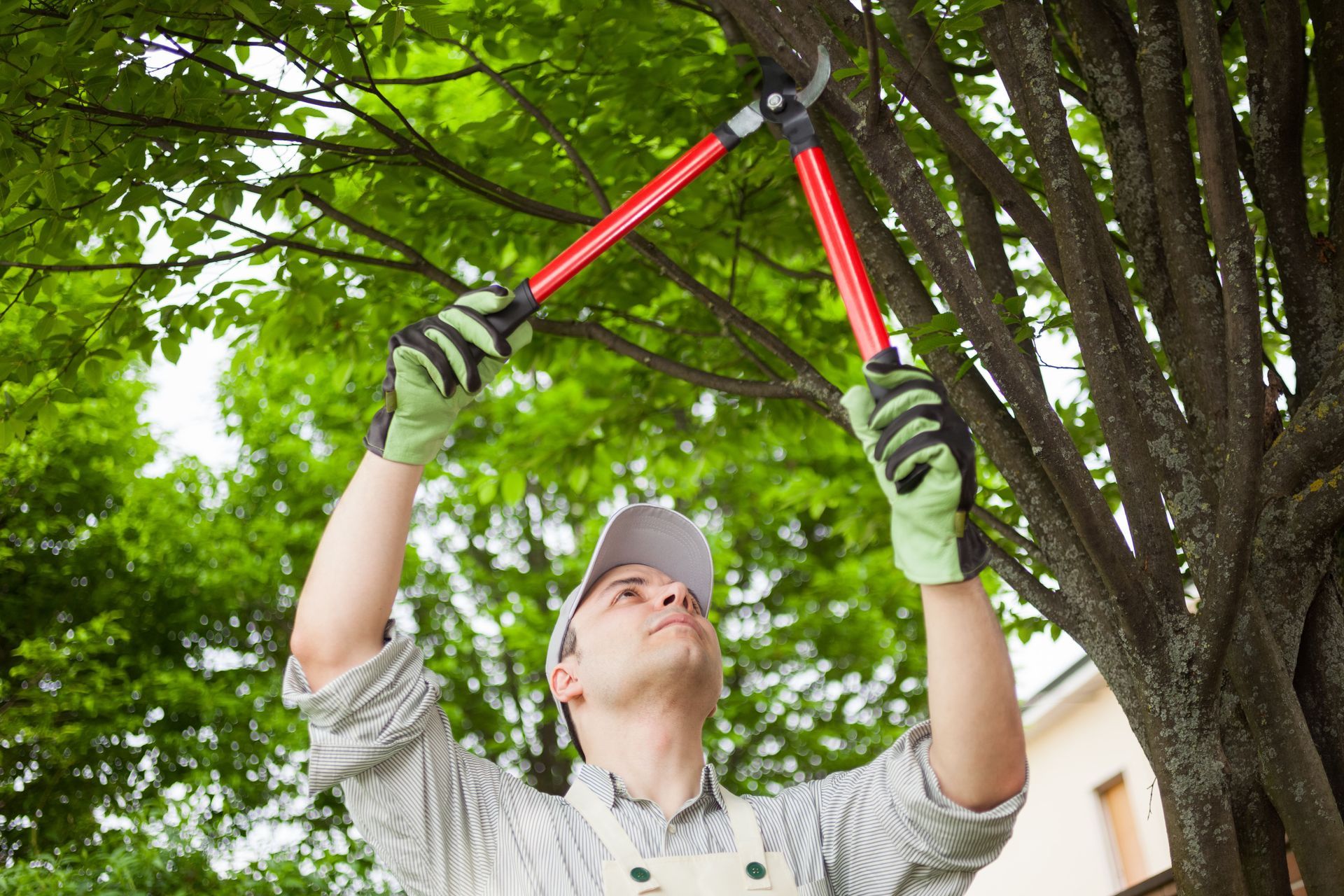
Different pruning tasks require different tools, each suited to specific types of cuts. Hand pruners can handle small branches, while loppers are designed for bigger, thicker branches. For even larger branches, a pruning saw may be necessary. Additionally, pole pruners are effective for high branches without needing a ladder. Using the right tools not only makes the job easier but also ensures clean cuts that promote healthy regrowth.
Seasonal Considerations
The timing of tree pruning can significantly impact its effectiveness. Most trees benefit from pruning in the dormant season, typically late winter, which reduces the risk of disease and pests. Pruning in other seasons may be needed for certain species, especially after storm damage or when diseased branches need removal. Seasonal pruning considerations can also align with blooming cycles to enhance flower or fruit production. Understanding the seasonal needs of different tree species ensures effective pruning practices year-round.
Benefits of Professional Tree Pruning
Health and Longevity of Trees
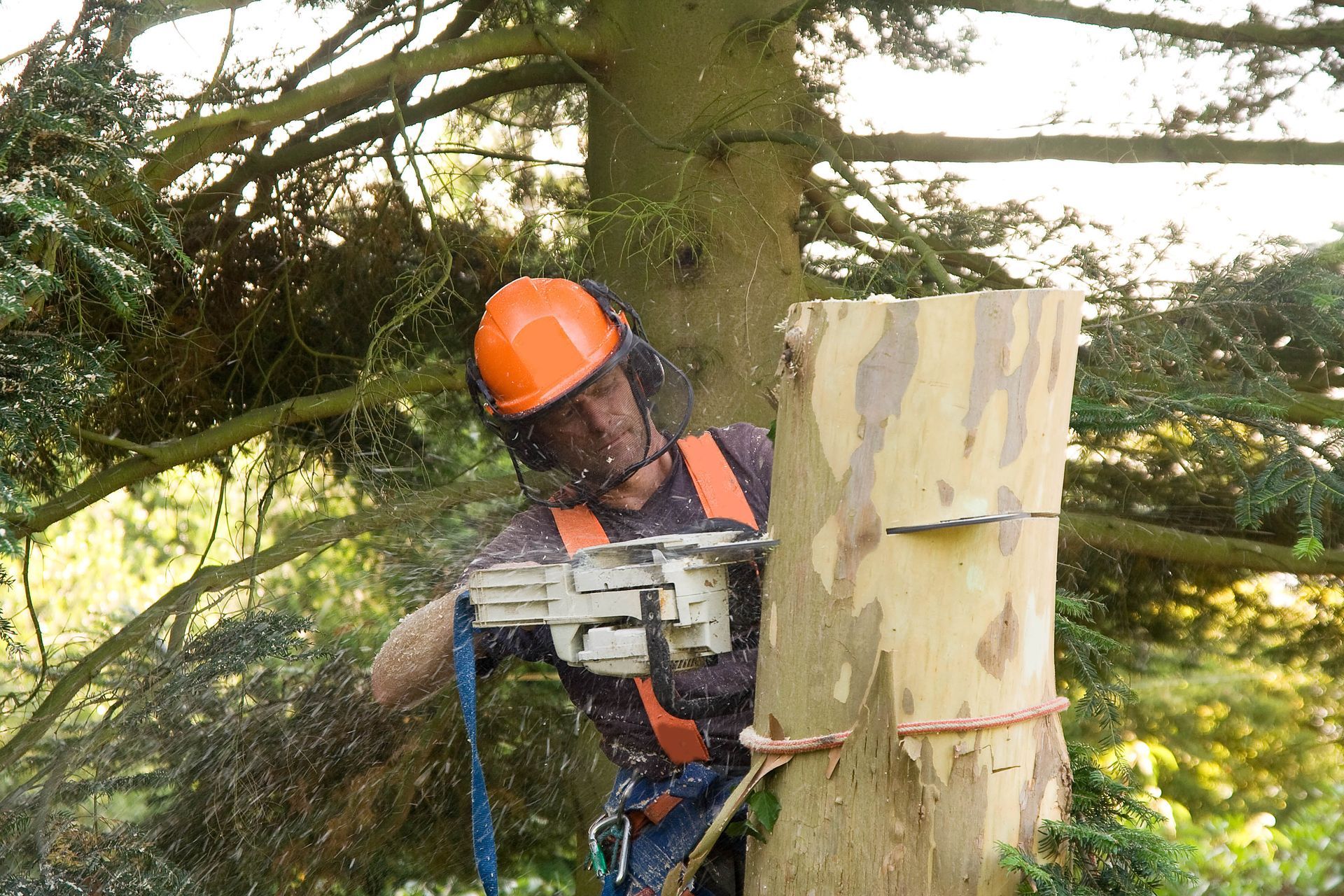
Professional tree pruning plays a crucial role in maintaining the overall health and longevity of trees. By removing dead or diseased branches, arborists prevent the spread of decay, ensuring the tree remains robust and healthy. Pruning also promotes nutrient distribution, ensuring that essential nutrients reach all parts of the tree, facilitating better growth. Regular tree pruning reduces the risk of pest infestations, which can weaken the tree over time. Engaging a professional ensures that trees receive the best care, tailored to their specific needs and species characteristics.
Enhanced Aesthetics
The visual appeal of properly pruned trees can significantly enhance the landscape's aesthetics. Professional pruning services ensure trees are shaped symmetrically, contributing to a more organized and attractive outdoor environment. Aesthetically pleasing landscapes not only increase property value but also provide a serene and welcoming atmosphere for residents and visitors. By controlling tree shape and growth, pruning can create striking vistas or focal points within a landscape design. Trusting professionals with this task ensures precision and artistic balance that aligns with the overall landscape vision.
Property Value Boost
Well-maintained trees can considerably increase a property's value, offering substantial returns on investment. Trees add curb appeal and create pleasant living environments, which can be deciding factors for potential buyers. Moreover, healthy and attractive trees can offer energy-saving benefits by providing shade and windbreaks, further enhancing property value. Potential buyers often view well-cared-for landscapes as a reflection of the overall maintenance and quality of the home. Professional tree pruning is a strategic investment that pays dividends in property appraisal and buyer attraction.
Safety Improvements
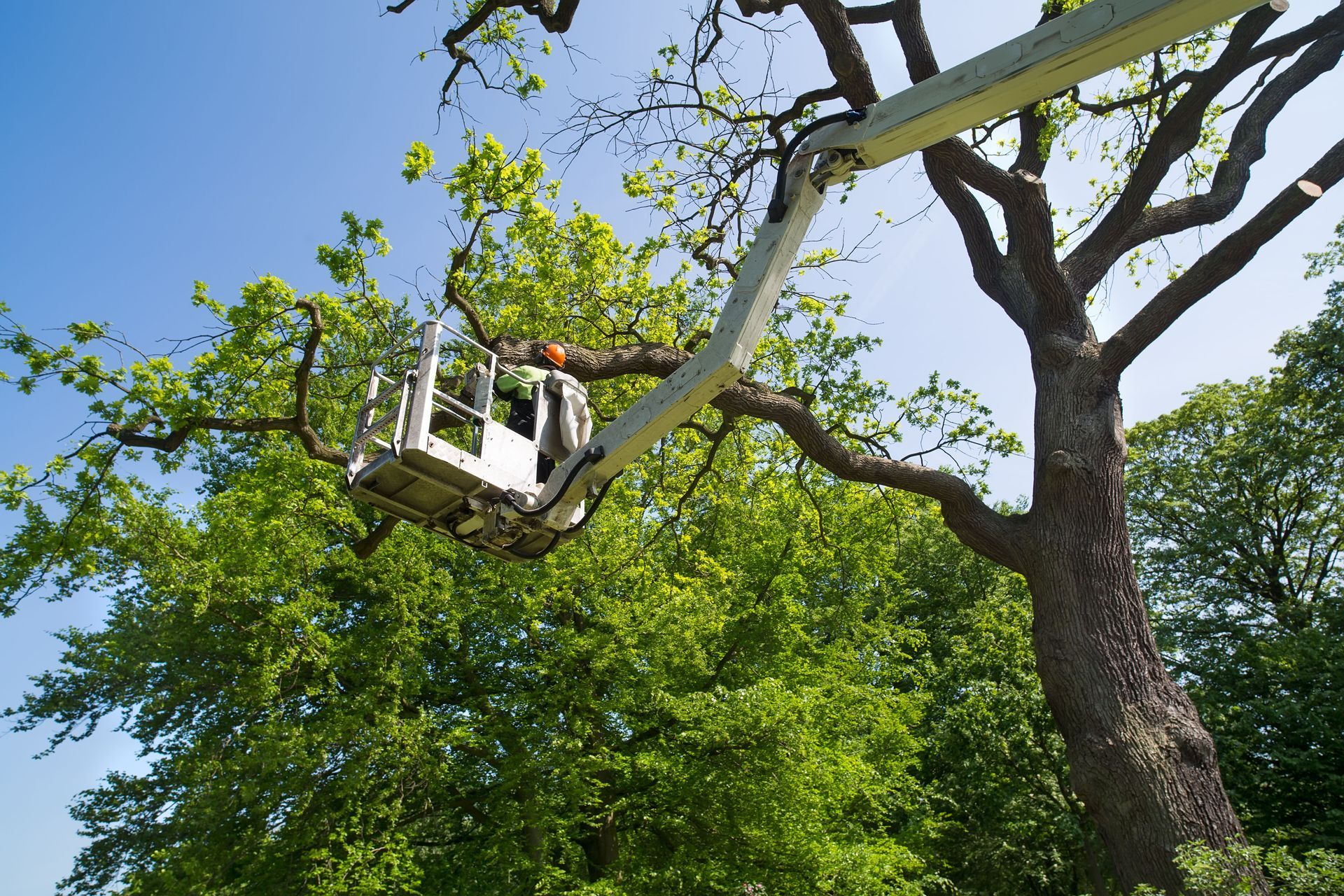
One of the essential benefits of tree pruning is the increased safety it provides. Overgrown or weak branches pose a risk of falling, potentially causing injury or damage during storms or strong winds. Professional pruning eliminates these hazards, providing peace of mind for property owners. Additionally, good pruning practices help maintain clear visibility for drivers and pedestrians, reducing accident risks. Ensuring that trees do not interfere with power lines or structures enhances overall property safety and compliance with local regulations.
Environmental Impact
Pruning contributes positively to the environment by promoting healthy tree growth, which enhances carbon absorption and oxygen production. It also reduces wildlife habitat disturbance by ensuring trees maintain a healthy and stable structure. Additionally, well-maintained trees contribute to soil stabilization, reducing erosion and protecting water quality in the area. In urban environments, effective tree pruning can balance human needs with ecological preservation, promoting sustainable communities. By employing professional pruning services, property owners actively participate in environmental conservation efforts.
Identifying the Right Time to Prune Trees
Signs Your Tree Needs Pruning
Recognizing when a tree needs pruning is crucial for its health and safety. Visible dead or broken branches are the most obvious indicators that pruning is necessary. Additionally, branches that are growing too close to power lines or property structures require attention to prevent potential hazards. If a tree's branches are crossing or rubbing against each other, they may need to be pruned to avoid damage and disease transmission. Other signs include excessive growth that blocks sunlight or impedes air circulation, requiring intervention to restore balance and promote healthy growth.
Optimal Seasons for Pruning
The best time to prune most trees is during their dormant season, typically in late winter before new growth begins. Pruning during dormancy reduces stress on the tree and minimizes vulnerabilities to pests and diseases. For some species, such as flowering trees, pruning immediately after blooming can encourage future blossoms. Understanding the specific seasonal needs of different trees ensures that pruning interventions are both timely and effective. An experienced arborist can provide guidance on the optimal pruning schedule for various tree types and purposes.
Tree pruning services are essential for the maintenance and safety of landscapes. Understanding the different aspects of tree pruning—from the basics and benefits to professional options and costs—enables homeowners and property managers to make informed decisions. Whether for aesthetics, safety, or environmental reasons, choosing the right tree pruning service can significantly impact the health and appearance of trees. By being informed, property owners can ensure their landscapes remain vibrant, safe, and appealing year-round. Engaging professional services not only enhances property value but also contributes to environmental conservation and the enjoyment of natural spaces. Be sure to reach out to The Tree Surgeon today for more information on our professional local tree care!