June 22, 2026
Cultivating a vibrant, structurally sound landscape requires a proactive approach to caring for the majestic plants that anchor your outdoor environment. Homeowners frequently overlook the complex biological needs of their green assets, assuming that nature will manage development without intervention. However, structural maintenance is vital for encouraging deep structural integrity and preventing hazardous overgrowth from compromising your property. Regular tree trimming serves as an essential practice that redirects vital nutrients, balances heavy canopies, and eliminates hidden structural defects before they escalate. Embracing this seasonal responsibility ensures that your landscape remains both beautiful and safe for generations.
Evaluating the Canopy for Proper Structural Balance
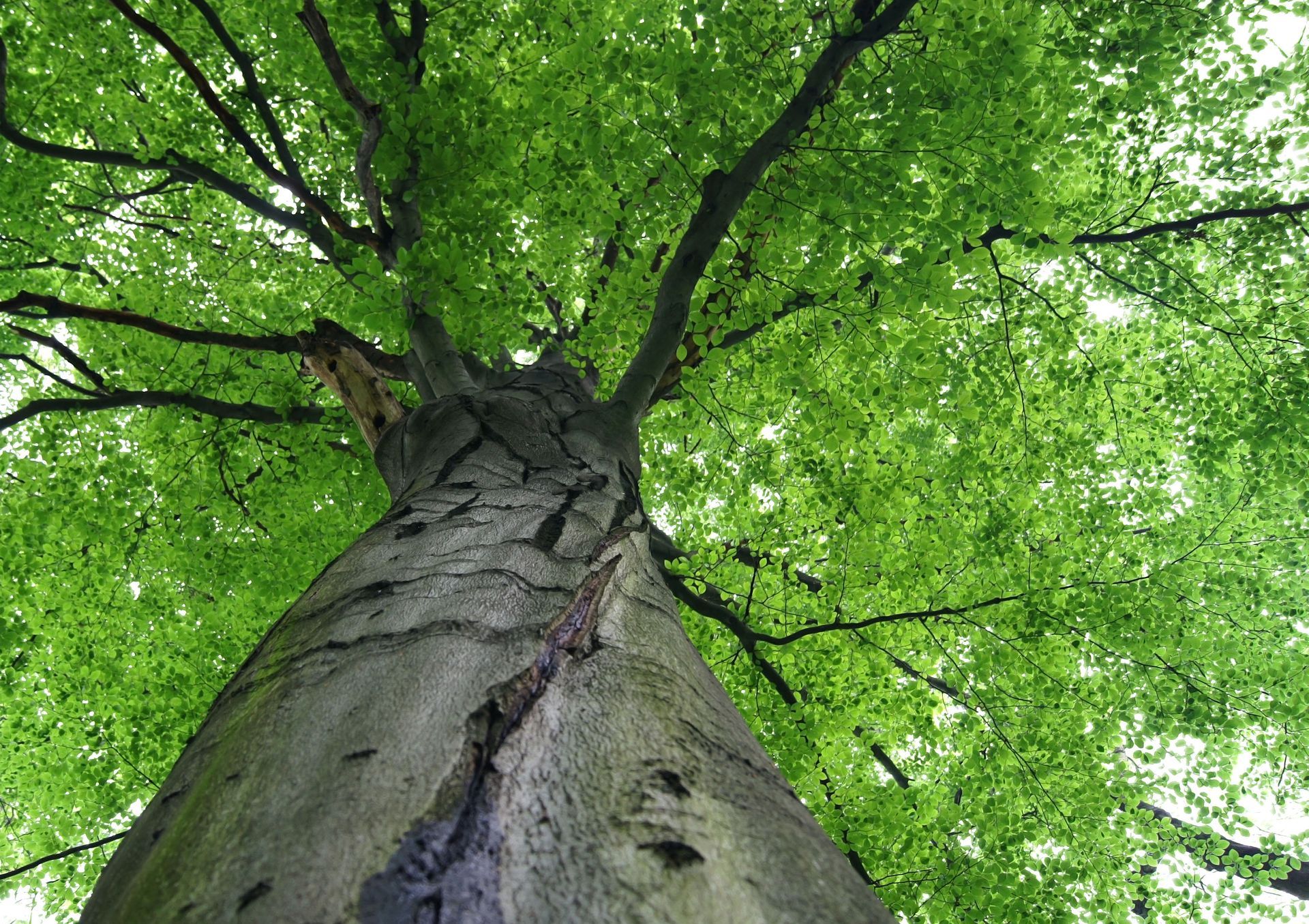
Carefully inspecting the overall shape of your greenery is the foundational step in creating an effective maintenance strategy. You must look for uneven weight distribution, leaning trunks, or dense clusters of branches that block sunlight from reaching the interior foliage. When a canopy becomes too heavy on one side, severe storms or high winds can easily cause catastrophic structural failure. Strategic tree trimming corrects these natural imbalances by selectively removing competing limbs and restoring the plant's symmetrical silhouette. This careful alignment allows wind to pass safely through the upper branches rather than catching them like a sail.
Identifying Dead or Diseased Branches for Removal
Spotting compromised wood early prevents decay from spreading deeper into the main trunk and destroying the entire organism. Dead limbs are highly brittle, lacking the flexibility to withstand heavy winter snow or intense summer thunderstorms. Removing these hazardous elements promptly eliminates the risk of property damage and creates space for fresh, productive growth. Professional arborists specialize in spotting the subtle signs of fungal infections, insect infestations, and structural rot that average property owners might miss. Consistently addressing these problematic areas protects the surrounding flora from catching contagious blights that compromise regional forest health.
Utilizing the Correct Tools for Precise Cuts
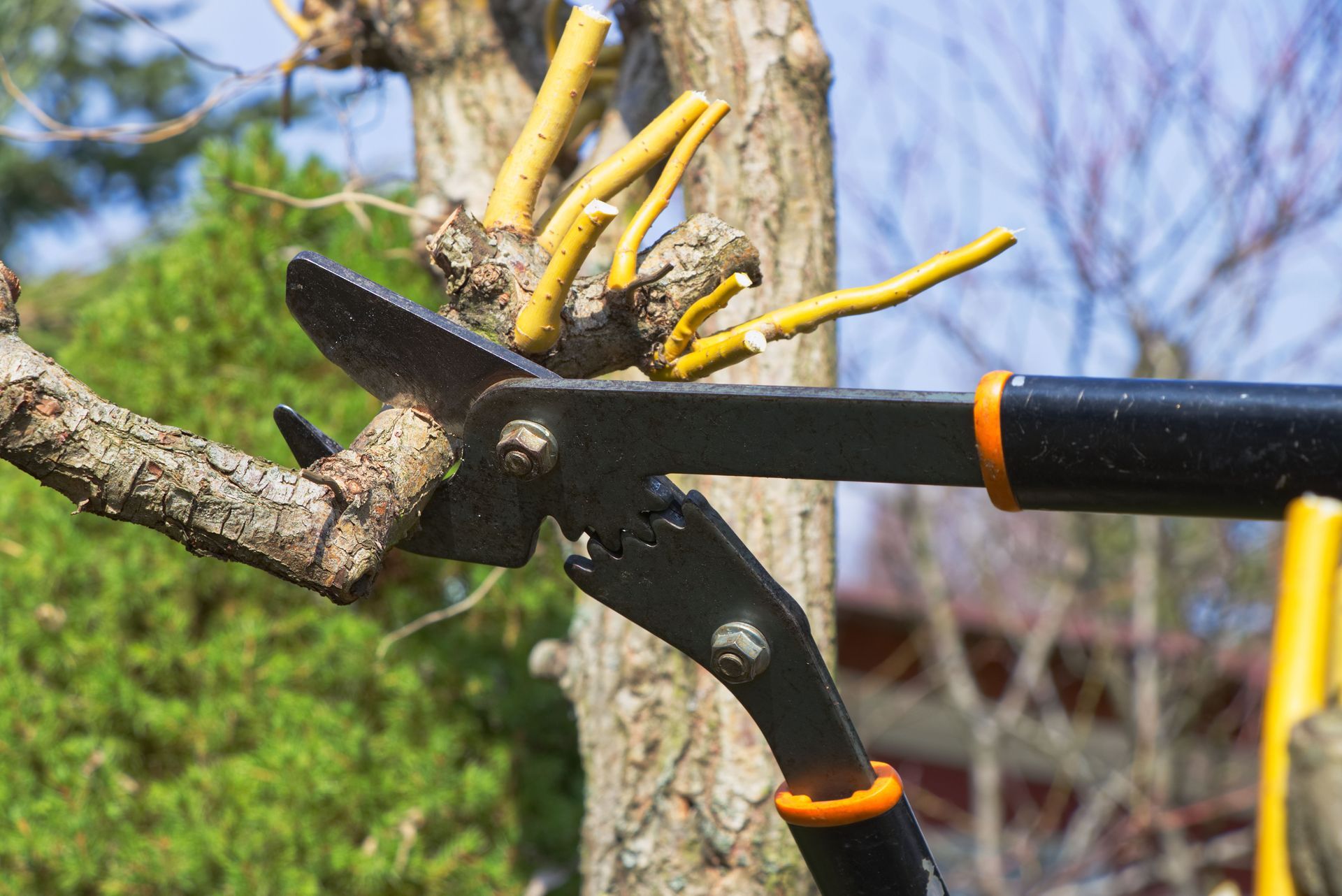
Executing clean cuts requires a specialized inventory of sharp, well-maintained equipment designed specifically for handling heavy forestry tasks. Using dull shears or improper saws tears the delicate bark, creating jagged wounds that take a long time to heal. These rough edges leave the internal wood exposed to opportunistic pests and destructive airborne fungal spores. Investing in high-quality hand pruners, loppers, and pole saws ensures that every single slice is smooth and clinically precise. Properly sanitizing your gear between different plants prevents the accidental cross-contamination of diseases throughout your manicured garden beds.
Timing the Pruning Sessions to Match Biological Cycles
Scheduling your maintenance during the ideal season maximizes the natural healing capabilities of your valuable landscape features. For most species, late winter or early spring represents the ultimate window for significant canopy adjustments. Because the plant is dormant during this chilly period, it experiences minimal stress and loses very little vital sap from fresh wounds. Springtime then brings a massive burst of cellular energy, allowing the bark to seal over the cuts with incredible speed. Understanding these unique seasonal rhythms prevents you from accidentally disrupting the flowering cycles or fruit production of delicate ornamental specimens.
Implementing the Three-Cut Method for Heavy Limbs
Managing large, weighty branches requires a specialized mechanical sequence to prevent the wood from splitting prematurely during the cutting process. If you attempt to slice straight down through a heavy limb, the sheer weight will cause it to tear away from the main trunk. This creates a massive, jagged wound that strips the protective bark away and invites internal rot. Applying the three-cut method involves making an initial relief cut underneath, followed by a top cut further out to remove the bulk weight safely. The final cut neatly removes the remaining stub right outside the protective branch collar.
Maintaining the Natural Branch Collar Integrity
Locating the exact zone where a limb meets the main trunk is critical for ensuring proper wound closure. This specific area, known as the branch collar, contains highly concentrated clusters of specialized cells responsible for healing damaged wood. Shaving a limb completely flush with the trunk destroys this natural defense mechanism, leaving a permanent vulnerability. Conversely, leaving a long, unsightly stub prevents the bark from sealing over the wound properly, leading to deep internal decay. Tree trimming requires making the final cut just outside this swollen ring of tissue to facilitate natural sealing.
Hiring Professional Arborists for Dangerous Heights
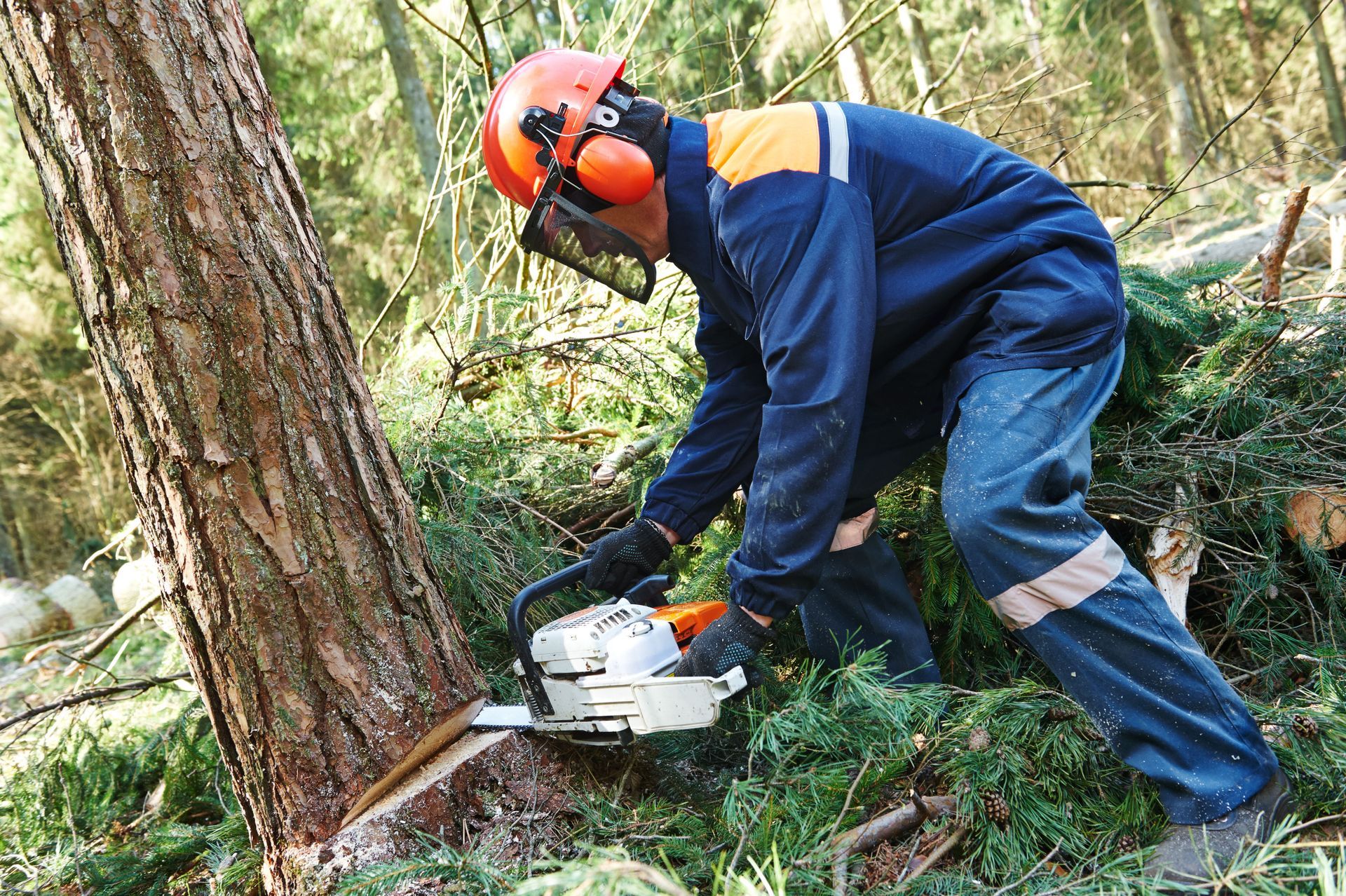
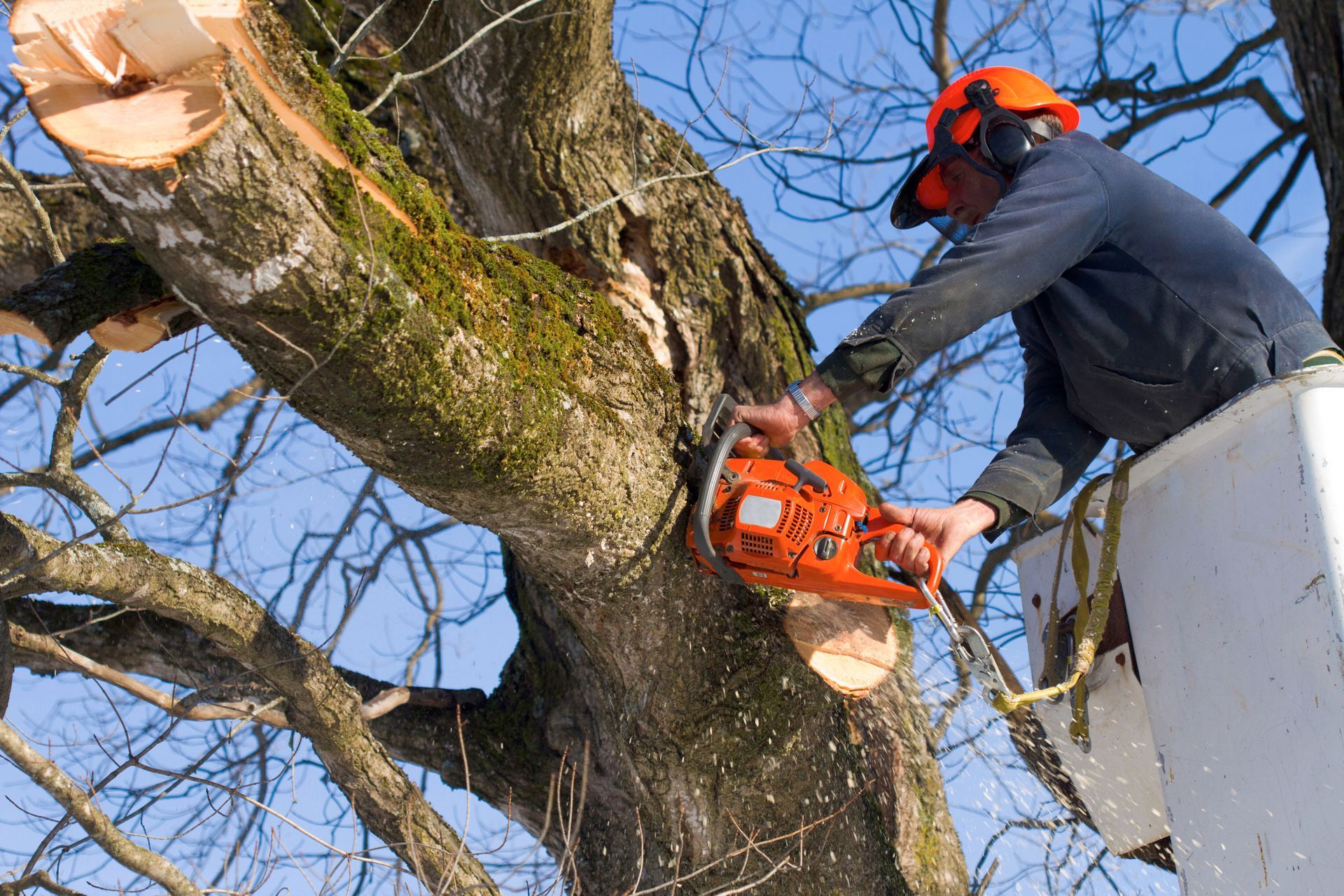
Managing mature, towering specimens poses significant physical risks that require specialized training, heavy rigging, and professional safety equipment. Navigating high canopies while operating sharp machinery demands an expert understanding of physics, wood weight, and aerial safety protocols. According to the U.S. Bureau of Labor Statistics, the building and dwelling services industry employs the largest number of tree care workers, with 44,520 people working in this sector. Relying on these experienced professionals ensures that complex, high-altitude structural corrections are completed without risking human life or damaging nearby residential structures.
Thinning Out Dense Interior Foliage for Airflow
Allowing sufficient wind and sunlight to penetrate deep into the center of a canopy reduces disease pressure significantly. When the interior branches become choked with excess twigs and cross-crossing limbs, moisture traps itself inside the dark environment. This stagnant, humid microclimate serves as the perfect breeding ground for destructive powdery mildew and leaf-spotting fungi. Engaging in focused tree trimming opens up the interior architecture, letting refreshing air currents dry the leaves quickly after heavy rainfalls. Increased sunlight penetration also stimulates internal leaf development, making the entire structure fuller, healthier, and more vibrant.
Training Young Saplings for Ideal Future Form
Establishing excellent structural habits during the early stages of a plant's life saves immense time and money later. Young specimens are highly impressionable, allowing you to guide their growth patterns with minimal effort and small, gentle modifications. Selecting a single, strong central leader branch prevents the co-dominant stems that frequently split apart during severe adult maturity. Removing weak attachments and low-hanging obstructions early ensures that the adult specimen will clear sidewalks and driveways safely. This proactive guidance builds a rock-solid foundation, ensuring the mature organism will withstand decades of environmental challenges.
Cleaning Up Debris to Prevent Pest Infestations
Managing the aftermath of a major pruning session is just as important as the physical cuts themselves. Leaving piles of severed limbs, loose bark, and dead leaves scattered across your lawn invites unwanted guests to colonize. Wood-boring beetles, carpenter ants, and destructive termites view fresh debris piles as the perfect nesting grounds for their expanding colonies. Once these pests establish a base in your yard debris, they inevitably migrate toward healthy plants and nearby homes. Chipping the waste or hauling it away immediately maintains a pristine landscape and protects your property from infestations.
Monitoring Post-Trimming Recovery and Hydration Levels
Providing attentive tree trimming aftercare helps your landscape features bounce back from the physical shock of losing significant structural biomass. Every cut represents a minor surgical intervention that requires metabolic energy and internal resources to repair successfully. Deep watering directly around the root zone immediately following a session relieves cellular stress and encourages rapid tissue regeneration. Applying a fresh layer of organic mulch insulates the soil, retains vital moisture, and delivers a steady stream of nutrients. Keeping a watchful eye on the recovery progress allows you to spot and treat any unexpected stress symptoms.
Investing in systematic canopy maintenance rewards property owners with an elegant, resilient outdoor environment that enhances overall property values. Neglecting these essential maintenance practices allows structural defects to compound, transforming beautiful landscape assets into ticking liabilities during severe weather. By prioritizing the biological and mechanical needs of your canopy, you actively foster a haven for your family and local wildlife. Partnering with skilled care experts or mastering proper personal techniques transforms your neighborhood into a green, thriving sanctuary. Committing to consistent, responsible tree trimming remains the ultimate strategy for securing the enduring vitality of your private forest. If you are seeking expert tree trimming services in the Omaha, NE area, look no further than the professionals at The Tree Surgeon! Call today to request an estimate for your next tree service.